Home > News > Capcom Was on Its Knees After Resident Evil 6, Now Monster Hunter Wilds Cements Its Golden Era — Here's How It Did It
Capcom Was on Its Knees After Resident Evil 6, Now Monster Hunter Wilds Cements Its Golden Era — Here's How It Did It
- By Mia
- May 03,2025
With Monster Hunter Wilds breaking Steam records and Resident Evil more popular than ever thanks to Village and a series of stellar remakes, it's almost as if Capcom is incapable of failure. However, this wasn't always the case. Less than a decade ago, after a string of critical and commercial flops, Capcom was on its knees, having lost both its way and its audience.
Capcom was grappling with an identity crisis. Resident Evil, which pioneered the survival horror genre, had lost its edge after Resident Evil 4. Similarly, another flagship series, Street Fighter, was struggling following the poorly received Street Fighter 5. It seemed as though Capcom might be on the brink of collapse.
Yet, amidst this turmoil, a glimmer of hope emerged. A shift in Capcom's game development strategy, bolstered by the introduction of a powerful new game engine, revitalized their beloved series. This transformation sparked a period of remarkable success, propelling Capcom back to the forefront of the gaming industry.
Resident Evil Lost Its Way
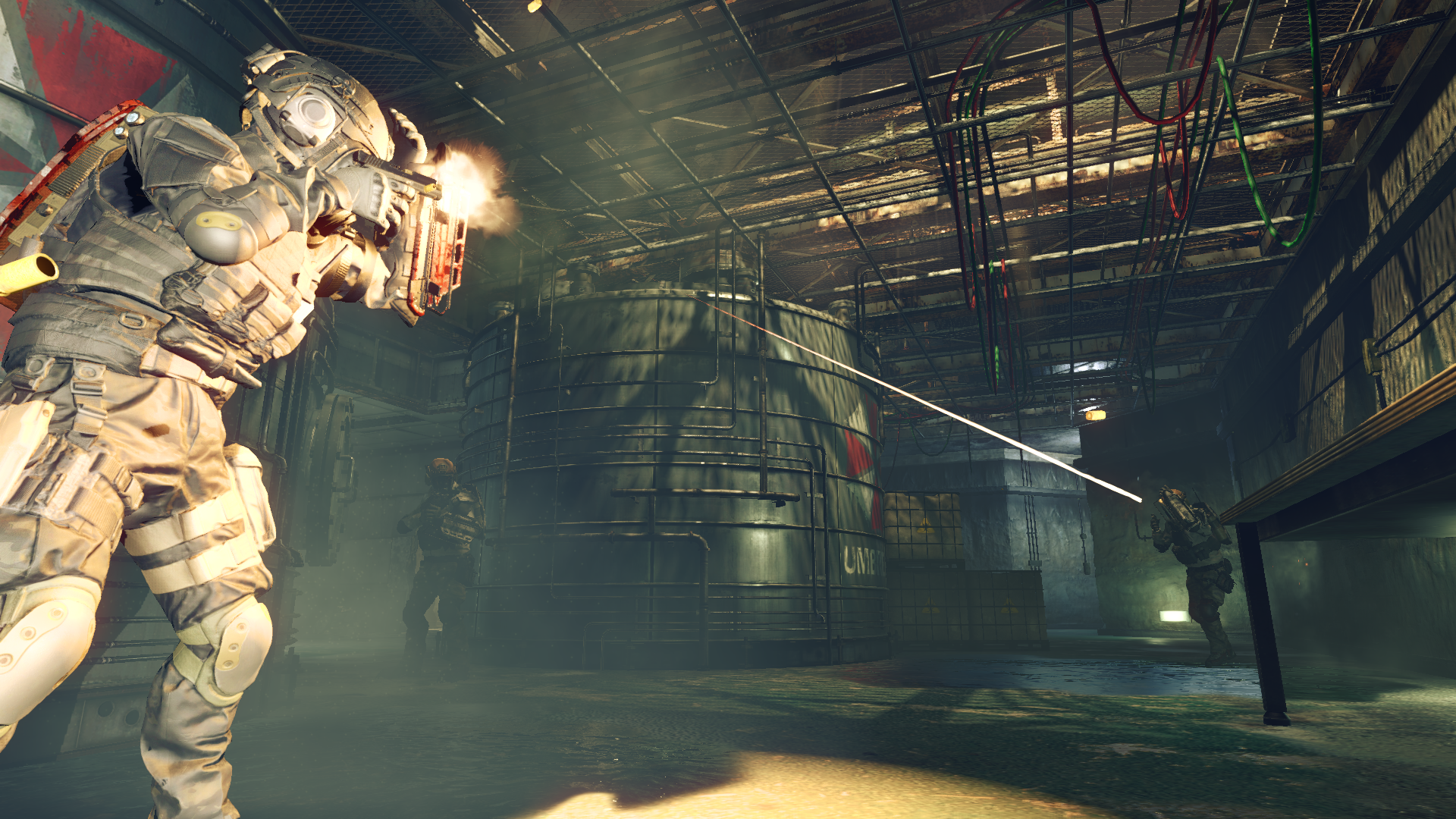
2016 was a challenging year for Capcom. The release of Umbrella Corps, an online co-op shooter, was met with harsh criticism from reviewers and fans. Meanwhile, Street Fighter 5 was met with skepticism from longtime fans who were disappointed by its lackluster content. Dead Rising 4, which brought back the beloved photojournalist Frank West, would be the final new entry in the series.
This marked the nadir of a difficult period for Capcom, which had been struggling since 2010. The mainline Resident Evil games faced declining critical reception despite strong sales. Street Fighter was also faltering, and other mainstays like Devil May Cry were absent from the scene. At the time, Monster Hunter was highly popular in Japan but struggled to gain traction internationally.
"Many of us started feeling that what the fans and players wanted from the series was getting a little bit separate from what we were making," remarked a developer. This sentiment was a stark contrast to the Capcom we know today, which has consistently delivered hit games from its most famous franchises since 2017. Titles like Monster Hunter World, Devil May Cry 5, Street Fighter 6, and a trio of acclaimed remakes have solidified Capcom's resurgence. Achieving this success required a complete overhaul of their strategy, from targeting different types of players to adopting new technology.
To understand this pivotal shift, IGN spoke with four leading creatives from Capcom. They discussed how the company, once on the verge of failure, managed to reinvent itself and return stronger than ever.
Founded in 1979 as a maker of electronic game machines, Capcom rose to prominence in the 80s and 90s with 2D games like Street Fighter and Mega Man. The transition to 3D with titles like Resident Evil was successful, culminating in the iconic Resident Evil 4 between 2000 and 2010.
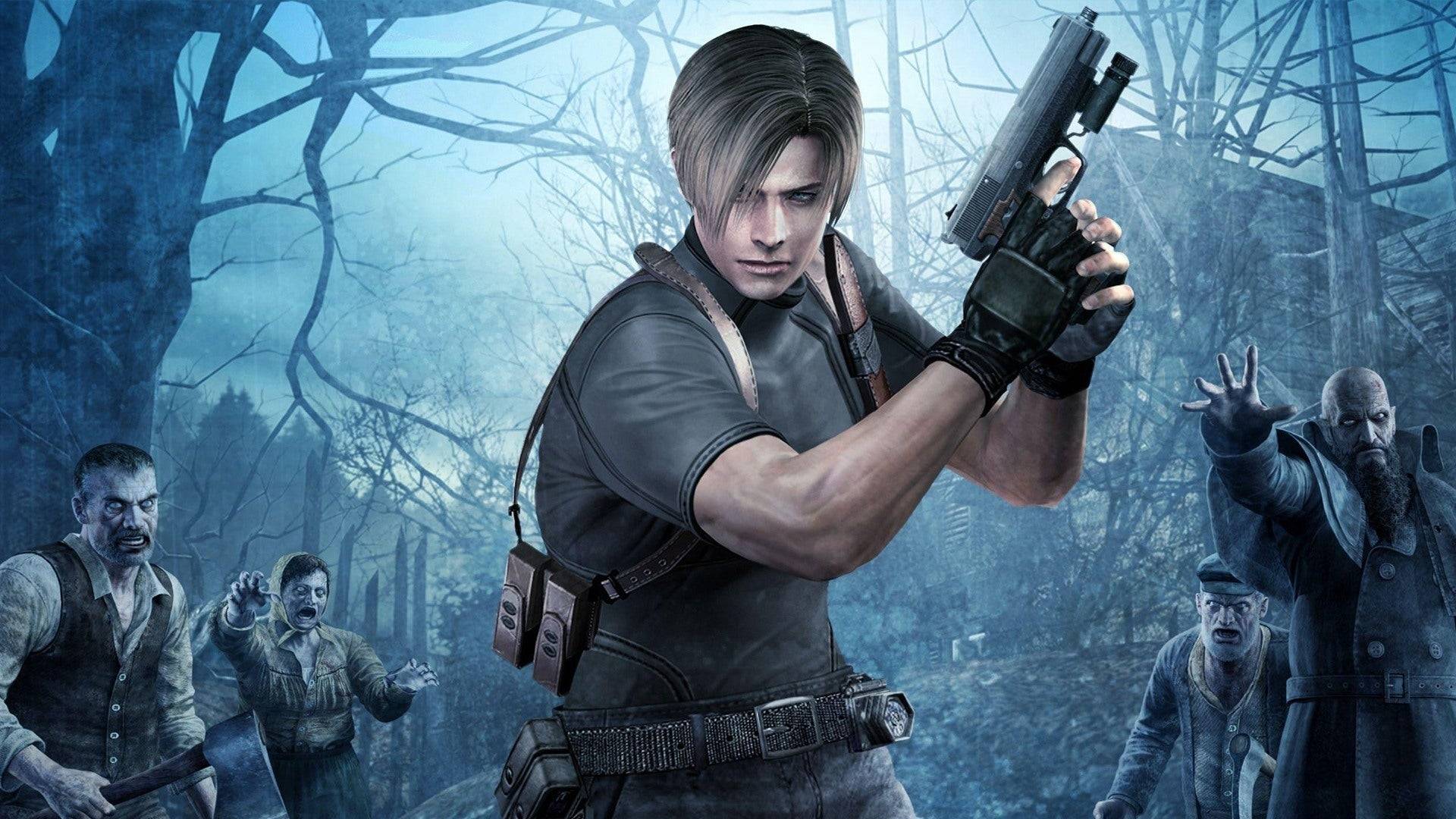
2005's Resident Evil 4 is widely regarded as a high point for its innovative blend of horror and action. However, subsequent games struggled to maintain this balance. Resident Evil 5 introduced more action-oriented elements, such as Chris Redfield's famous boulder-punching scene, which diluted the series' horror roots. This shift was evident to both players and developers, including Resident Evil 4 remake director Yasuhiro Ampo.
"Overall throughout the Resident Evil series, we set up different goals, challenges, and things we want to try with each game… But this time, many of us started feeling that what the fans and players wanted from the series was getting a little bit separate from what we were making," Ampo noted.
This confusion led to Resident Evil 6 in 2012, which attempted to cater to both action and horror fans but ultimately satisfied neither. The game featured six playable characters and three unique storylines, resulting in a lack of cohesive balance. Meanwhile, the Street Fighter series faced similar challenges. After the success of Street Fighter 4, the sequel, Street Fighter 5, was criticized for its lack of content and poor online functionality.
Other key franchises like Devil May Cry also struggled. The 2013 game DmC: Devil May Cry, outsourced to Ninja Theory, received mixed reactions due to its new approach and lower frame rate. Capcom's attempts to capture the Western market with titles like Lost Planet and Asura's Wrath were unsuccessful. The only bright spot was Dragon's Dogma, a new dark fantasy RPG directed by Hideaki Itsuno.
It was clear that Capcom needed to change its approach.
Street Fighter 5, The Lost Cause
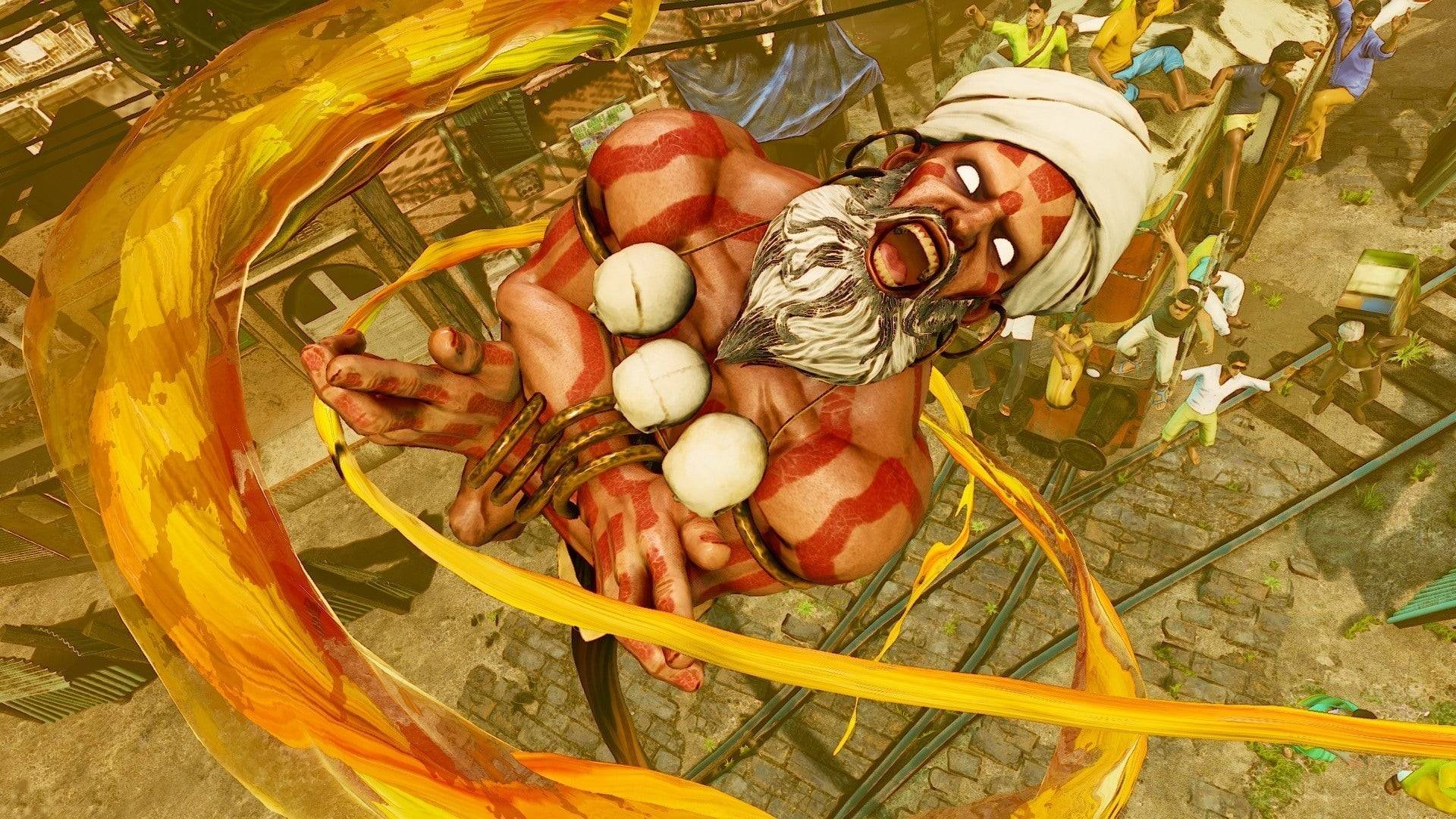
By the mid-2010s, Capcom began implementing strategic changes to reverse its fortunes. The first step was to address the issues with Street Fighter 5. Director Takayuki Nakayama and producer Shuhei Matsumoto were tasked with salvaging the game.
"There definitely were some challenges within the production of the game, and that was part of the reason why I was brought into the team," Nakayama admitted. "And because we were at a point in development where we couldn’t really make any major pivots or shifts, we had to proceed and move forward in the direction we were currently in, which created constraints on what we could and couldn’t do."
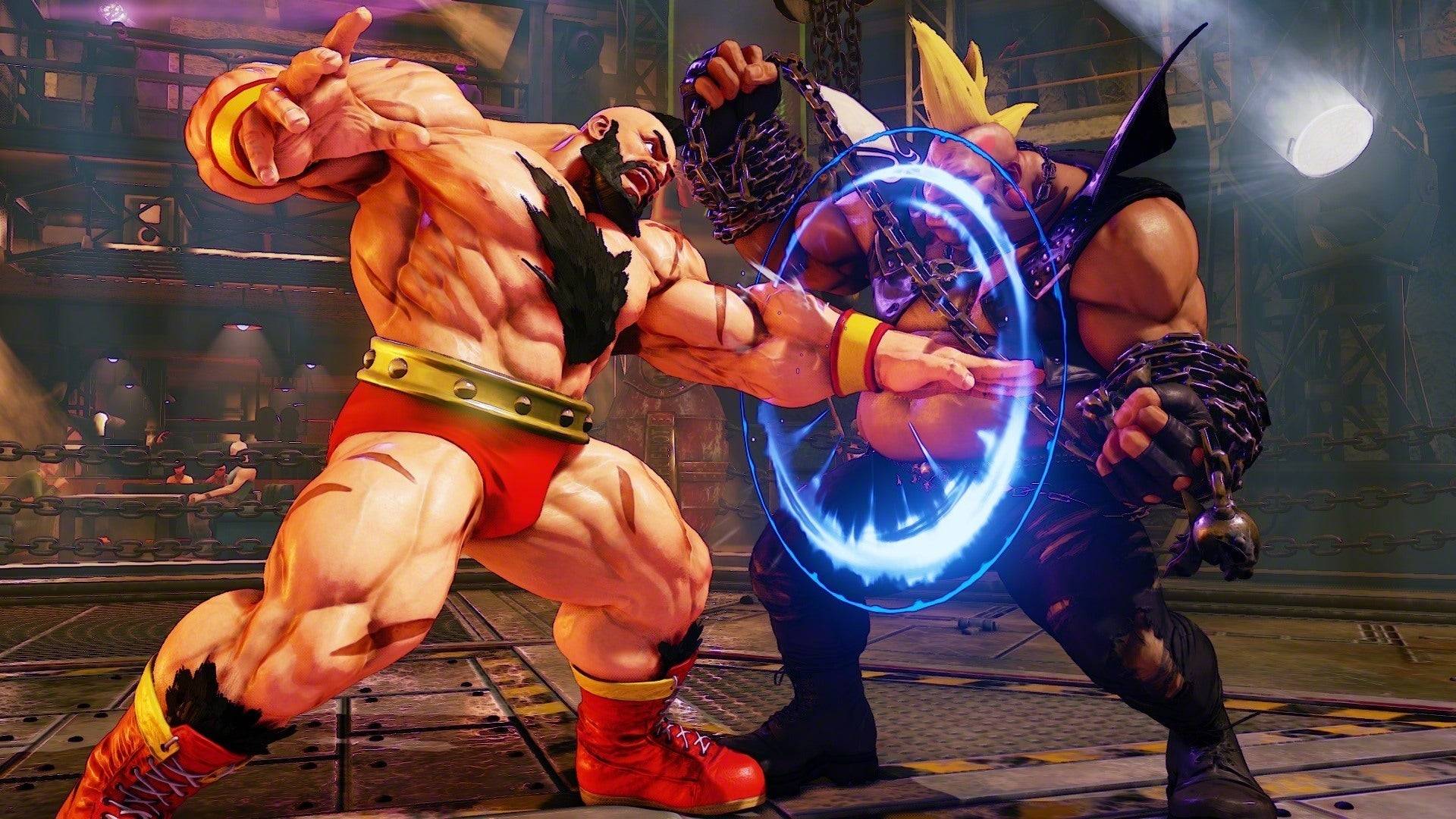
These constraints limited the scope of improvements, leading Nakayama to focus on fixing the game's most pressing issues while planning for Street Fighter 6. "We just didn’t really have enough time to address some of the problems and challenges we faced in Street Fighter V," Nakayama explained. "And so, with our hands tied behind our backs, we basically had to wait for those ideas to be brought back for the initial conceptual phases for Street Fighter 6, so we could tackle and do things properly for the next title."
Matsumoto emphasized that abandoning Street Fighter 5 was not an option. "There wasn’t any sort of sense of like, 'Okay let’s just end Street Fighter 5 and focus on Street Fighter 6.' It was more like, while we were working on Street Fighter V, we were trying to figure out what we really wanted to do in Street Fighter 6 content-wise," he said.
The development of Street Fighter 5 served as a testing ground for new ideas, which were later implemented in Street Fighter 6. Updates to the game included improvements to netcode, character re-balances, new characters, and mechanics like V-Shift. The overarching goal was to make the game fun again, as Matsumoto noted: "We both realized that fighting games are fun, and when you get used to them, it becomes more enjoyable and something you can essentially play forever as long as you have an opponent to play against."
Street Fighter 6 aimed to be more approachable for new players while retaining the elements that seasoned fans loved. By learning from Street Fighter 5, Capcom ensured that Street Fighter 6 launched as one of the most critically acclaimed games in the franchise.
However, Capcom needed to prevent such situations from recurring. This necessitated a significant shift in strategy and the adoption of vital behind-the-scenes changes.
Monster Hunter Took Over The World
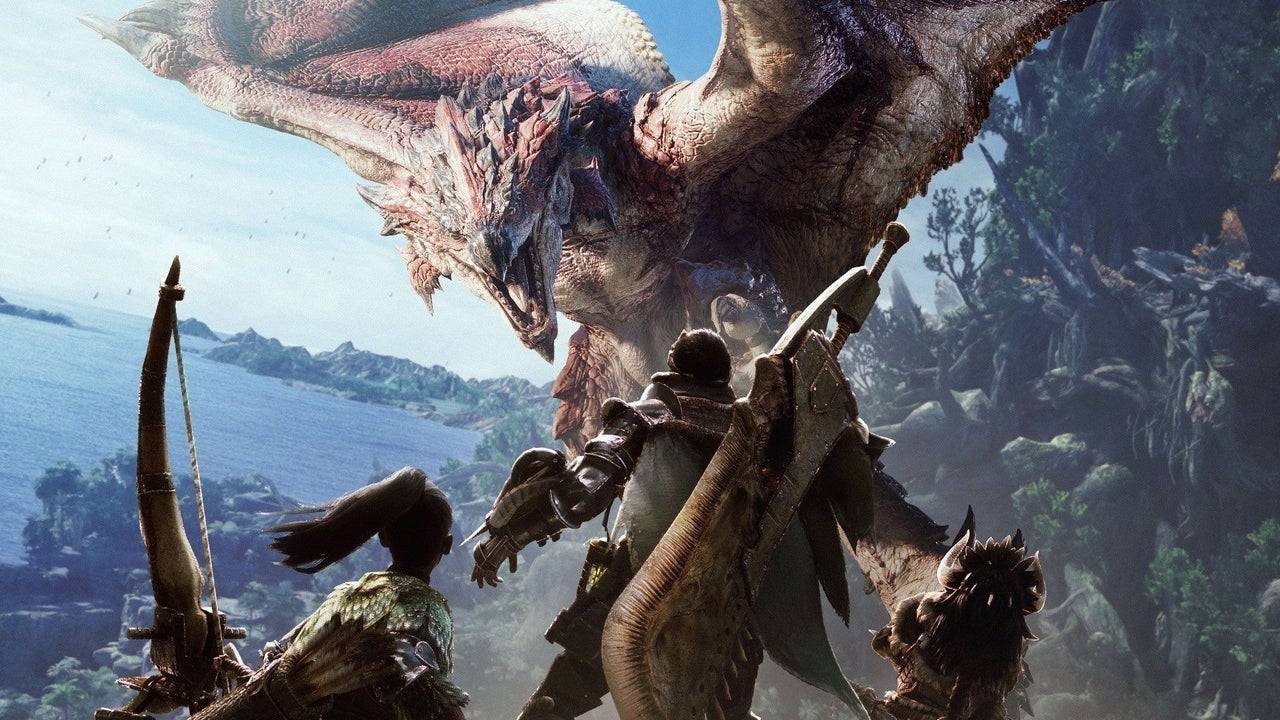
Around the time of Street Fighter 5's launch in 2016, Capcom underwent an internal reorganization to prepare for a new generation of games. These games would run on the company's new RE Engine, replacing the aging MT Framework. This change was not just about technology; it included a mandate to create games for a global audience.
"It was a few factors that came together," said Hideaki Itsuno, a former game director at Capcom known for Devil May Cry. "The change of the engine and also all teams were given a very clear goal at that point to make games that reach the global market. [Games] that are fun for everyone."
During the PS3 and Xbox 360 era, Capcom's focus on capturing the Western market with titles like Umbrella Corps and Lost Planet failed. Recognizing the need for broader appeal, Capcom shifted its focus to creating universally appealing games.
"I think that we had that clear goal of just focusing and not holding anything back towards making good games that would reach people from all over the world," Itsuno stated. The pivotal time leading up to 2017 saw these changes come together, culminating in the launch of Resident Evil 7, which marked the beginning of Capcom's renaissance.
No series better exemplifies Capcom's new global focus than Monster Hunter. Despite its dedicated Western fanbase, the series had been more successful in Japan. The transition to handheld gaming with Monster Hunter Freedom Unite on the PSP was a key factor in its success in Japan, where the handheld market was stronger.
"20 years ago in Japan, having a network connection wasn't as easy, and there weren’t a huge amount of people playing Monster Hunter online. However, handheld consoles made multiplayer gameplay easy without internet access, and I regard it as a great success that we had players experience the game in this way," explained Ryozo Tsujimoto, the series' executive producer.
The cooperative nature of Monster Hunter thrived on handhelds, which allowed friends to play together without internet access. This led to a focus on the Japanese market, inadvertently reinforcing the series' image as a "Japan-only" brand.
However, Western fans were eager for the same content. With improved internet infrastructure and the rise of online gaming, Tsujimoto saw an opportunity to launch Monster Hunter: World in 2018 on PlayStation 4, Xbox One, and PC. This game was designed to be accessible globally, with no exclusive content for Japan.
"Our approach to the globalization of the series and Monster Hunter in general really ties into not only the themes that we had going into designing the game, but also in the name of the game," Tsujimoto revealed. "The fact that we called it Monster Hunter: World is really kind of a nod to the fact that we wanted to appeal to this worldwide audience that we wanted to really dig into and experience Monster Hunter for the first time."
Global focus tests influenced the game's design, including the addition of visible damage numbers when hitting monsters. These changes helped Monster Hunter: World and its follow-up, Monster Hunter Rise, achieve unprecedented sales, surpassing 20 million copies each.
"At its heart, Monster Hunter really is an action game, and that sense of accomplishment you get from really mastering that action is an important aspect of Monster Hunter," Tsujimoto explained. "But for newer players, it's really about getting to that point. The steps involved in getting to that sense of accomplishment is what we're trying to strategize for, in terms of designing for new players."
Resident Evil 7 Began Turning Things Around
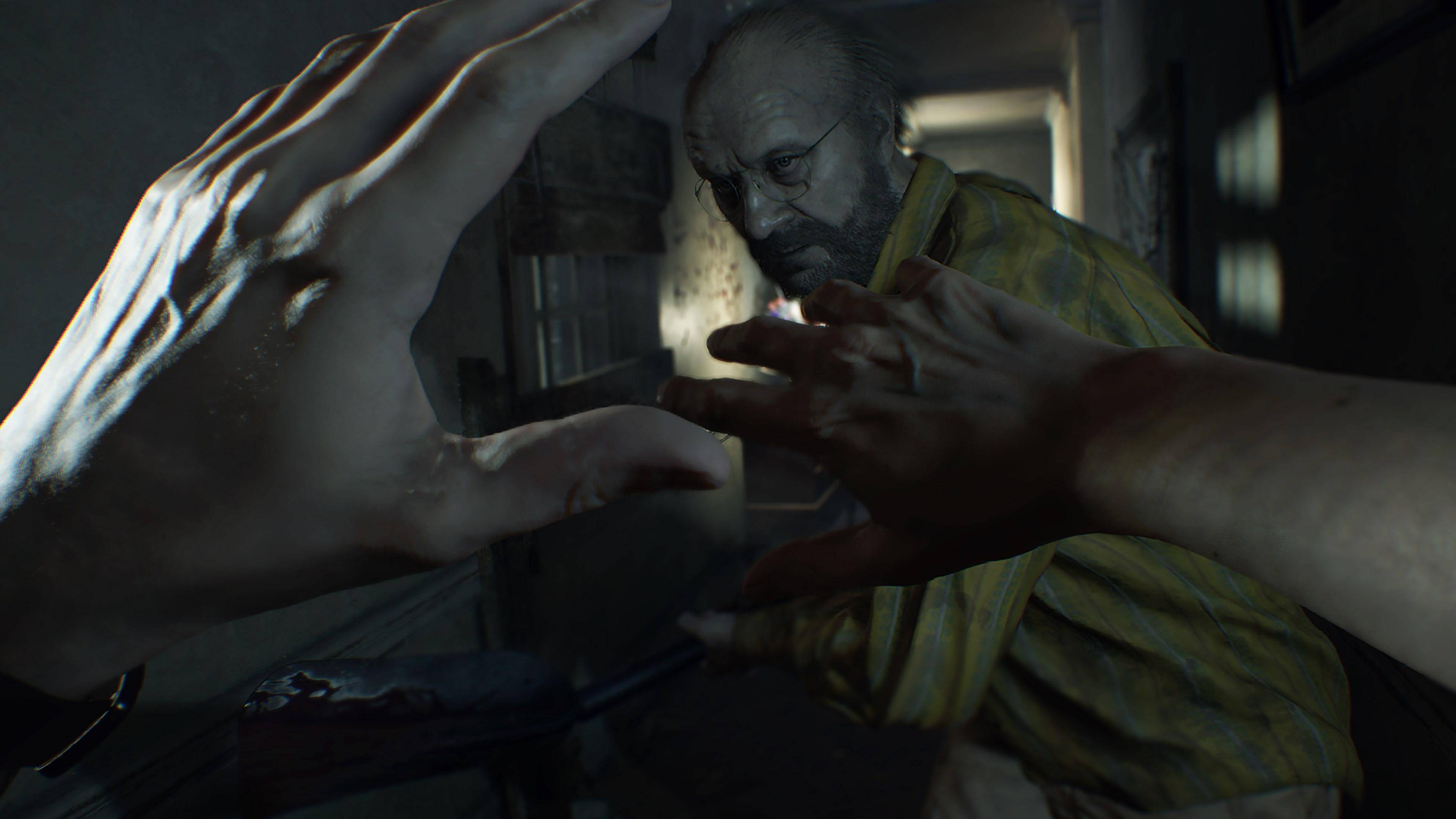
While Monster Hunter had a winning formula, Resident Evil needed to rediscover its roots. Executive producer Jun Takeuchi made the pivotal decision to return to survival horror.
"It was around the time I was working on Resident Evil Revelations 1 and 2. I was trying to test different things, try different approaches," recalled Resident Evil 2 and 4 Remake director Yasuhiro Ampo. "And around this time is when the R&D teams were divided into R&D division one and two. The executive producer of the Resident Evil series, Jun Takeuchi, took command of R&D division one, and he set the core direction that the Resident Evil series needed to go back to its origins, to its roots."
The announcement of Resident Evil 7 at PlayStation's E3 2016 conference, with its first-person perspective and moody trailer, was met with excitement. The shift to first-person allowed Resident Evil to regain its horror essence.
"With Resident Evil 7, the executive producer, Jun Takeuchi, made it clear that we cannot underestimate how critical it is for the series for it to be scary and about survival. So he made it clear that Resident Evil 7 would go back to its origins, it would be very cautious with its survival elements," Ampo said.
Resident Evil 7 was a hit, praised for its return to survival horror and its unsettling setting. While new mainline titles like Resident Evil 7 and 8 remained in first-person, Capcom also released third-person remakes starting with Resident Evil 2, driven by demand from fan projects.
"It was like, 'all right people really want this to happen.' So producer [Yoshiaki] Hirabayashi came up with the slogan: 'Well, we’ll do it,'" Ampo revealed. The Resident Evil 2 remake combined horror, action, and puzzles with a menacing Mr. X stalking players throughout the game.
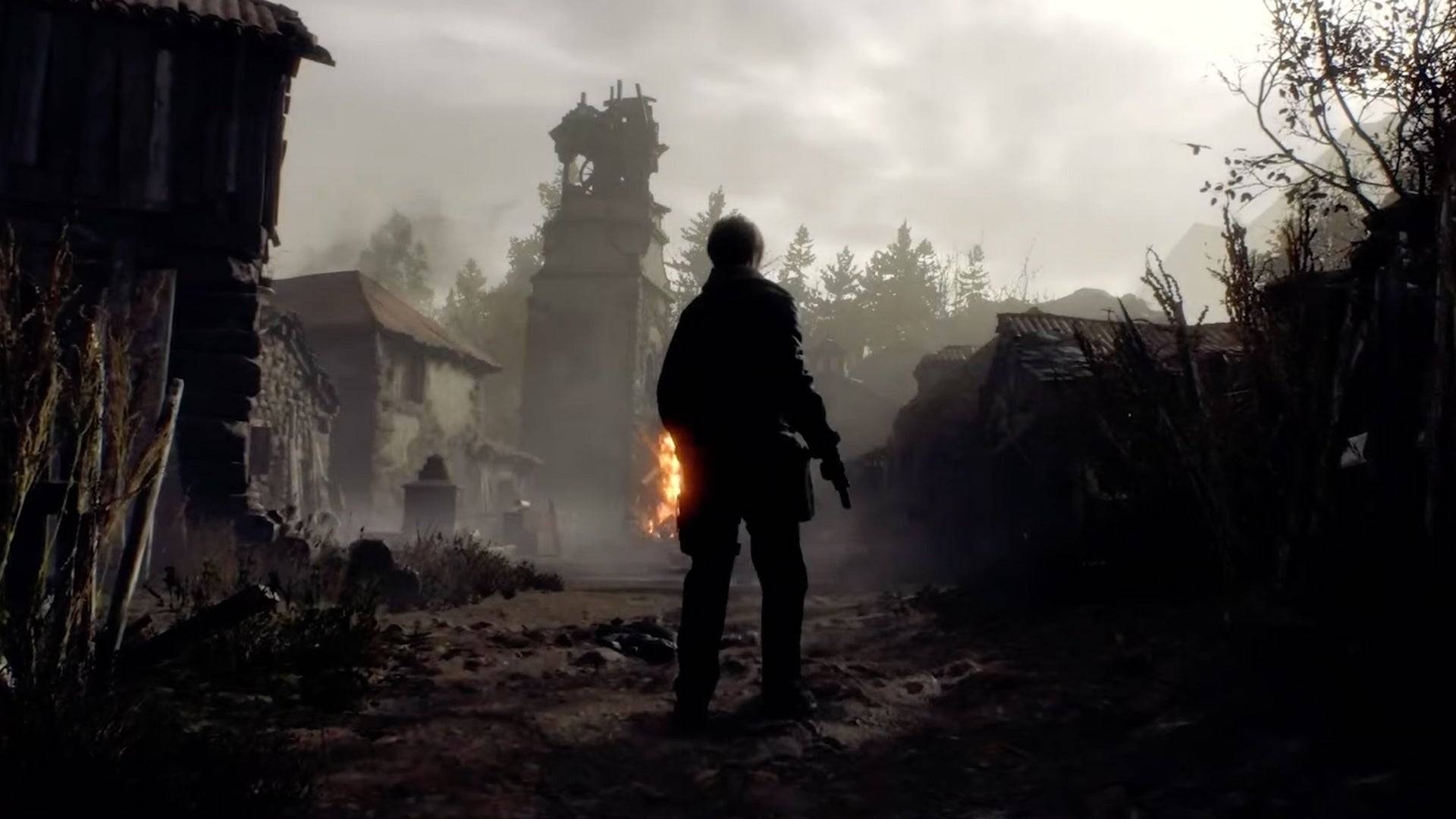
Despite initial hesitation, Capcom also remade Resident Evil 4, fine-tuning the balance between action and horror to align with Takeuchi's vision. The result was another successful title that maintained the series' survival horror roots while enhancing the action elements.
As Resident Evil rediscovered its horror core, Devil May Cry director Hideaki Itsuno sought to reinvigorate the action genre. After working on Dragon's Dogma, Itsuno returned to direct Devil May Cry 5 with the goal of creating the coolest action game possible, utilizing Capcom's new RE Engine.
The Reason Behind The Change
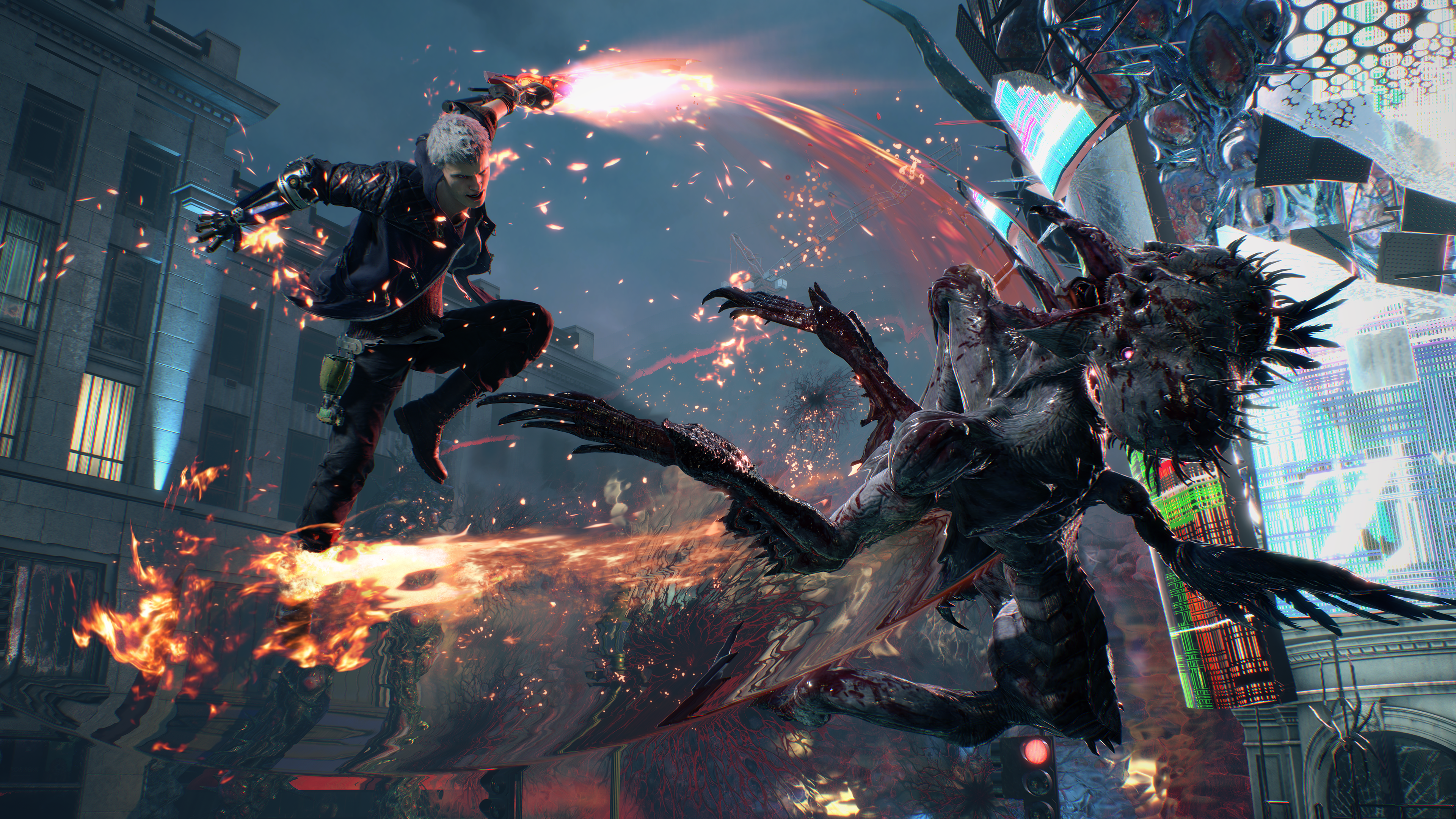
"I felt like the main trend with action games was to make action games that were very kind," Itsuno admitted. "Maybe, for me, a little bit too kind to the players, lending a hand to the player too much to my liking."
Itsuno, who had directed Devil May Cry since the second game, returned after nearly 11 years with a vision for the series and new technology. "Technology-wise, there were not just little improvements that you would have when you work on a series consecutively," Itsuno said. "When there’s a wide timeframe, [the technology] changes significantly."
The RE Engine, which replaced the MT Framework, offered photorealistic assets and faster development, allowing Itsuno to enhance the style and action of Devil May Cry 5.
"Devil May Cry is a franchise that stands on being cool," Itsuno stated. "That’s what the franchise is, it’s about being cool. Ever since I took over the series from Devil May Cry 3, I put everything that I, as a person, I considered throughout my life to be cool. Anything I’ve seen on TV, in movies, and comics I’ve read, any sport experiences I’ve had, I try to distill everything that I think is cool into what the game is."
A New Capcom Golden Age
Since 2017, Capcom has consistently released critically acclaimed games, achieving a remarkable run of success. Their focus on creating globally appealing games, powered by the technologically advanced RE Engine, has been a key factor in this resurgence.
"Capcom is going through a golden era, and, well, now we have to do everything we can so that this lasts one more year, one more year, and every year, one more year," said Monster Hunter's Tsujimoto. This sentiment reflects Capcom's determination to maintain its winning streak.
Capcom's approach has not diluted its games but rather found a balance between staying true to their core identities and expanding their global audience. While other studios struggle to find their footing, Capcom's strategic shifts have ushered in a new golden age that shows no signs of slowing down.
When asked about this golden age, Street Fighter's Nakayama agreed, "It’s a very exciting time to be at Capcom right now. A lot of us are able to get excited about what we’re working on and are able to focus on things that we think are fun. So, yes, I guess a golden age may be one interpretation of that."
Capcom's journey from near collapse to a new golden age is a testament to the power of strategic reinvention and a commitment to creating universally appealing games.
Latest News
more >-
- Dwight Actor: Post-Carell Office a Struggle
- 10/10,2026
-

- Navigate Pixel Mystery Maze's Every Puzzle
- 10/10,2026
-

-
- Disney Speedstorm Launches Open Roster Week
- 10/07,2026
-