DC's Wonder Woman Faces Uncertainty Five Years Post-1984 Film
- By Mila
- May 02,2025
2025 marks a significant milestone for DC, with James Gunn's Superman film set to kickstart the new DCU on the big screen, alongside a robust lineup of film and television projects from DC Studios and the impactful Absolute Universe initiative in comics. Amidst this buzz, a pressing question looms large: What is happening with Wonder Woman? Created by William Moulton Marston and H. G. Peter, Wonder Woman stands as one of the most recognizable superheroes and a cornerstone of the DC universe. Yet, her presence in recent DC media has been surprisingly subdued.
Outside of the comic books, Diana of Themyscira has faced significant challenges in recent years. The live-action film series hit a snag following the mixed reception of Wonder Woman 1984. She is noticeably absent from the current DCU lineup, with Gunn and his team choosing to focus on a series about the Amazons instead. Wonder Woman has also never had a dedicated animated series, and the much-anticipated first solo video game, announced back in 2021, was cancelled. These setbacks raise questions about Warner Bros.' strategy for one of the most iconic female superheroes. Let's delve into how Warner Bros. and DC are seemingly dropping the ball with Wonder Woman.
One Hit Wonder
In the fierce rivalry between the Marvel Cinematic Universe and the DCEU during the late 2010s, the first Wonder Woman film emerged as a standout success for the latter. Released in 2017, it garnered largely positive reviews and grossed over $800 million worldwide. Following the divisive reception of Batman v Superman and Suicide Squad, Patty Jenkins' take on Diana resonated with audiences in a way the previous DC films hadn't. While not flawless, with third act problems and Gal Gadot's performance focusing more on action than character depth, it was poised to launch a thriving franchise.
However, the sequel, Wonder Woman 1984, released in 2020, fell short of expectations. It received mixed reviews and failed to recoup its budget at the box office, exacerbated by its simultaneous release on HBO Max during the COVID-19 pandemic. The film's narrative inconsistencies, tonal shifts, and controversial elements—such as Diana having sex with Chris Pine's Steve Trevor while he inhabited another man's body—did not help its case. This mediocre follow-up did not capitalize on the strengths of the original film.
Despite the sequel's shortcomings, it's disheartening that a third film was phased out of development, leaving Wonder Woman without a new feature in sight. While characters like Batman and Spider-Man enjoy numerous reboots and relaunches, Wonder Woman has been sidelined after just one underwhelming sequel. The lack of other franchise media to compensate for this absence is equally concerning.
Diana Prince, Missing in Action
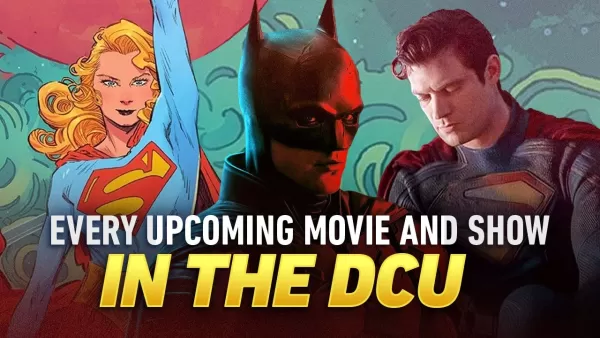
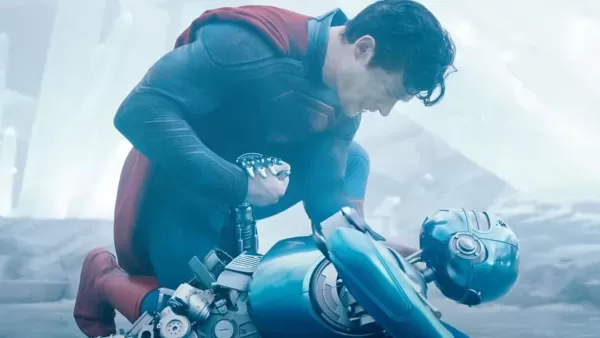
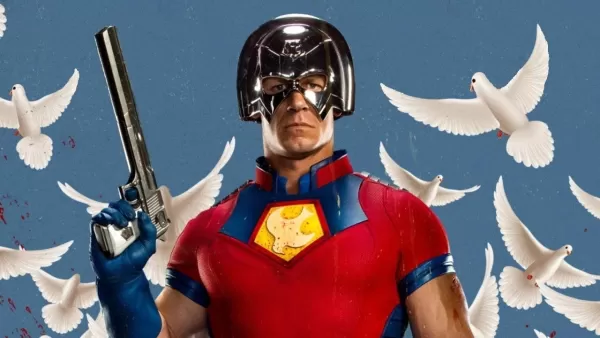
As the new DCU aims to revitalize DC adaptations, one would expect Wonder Woman to be a focal point. Yet, the Chapter One: Gods and Monsters lineup announced by DC Studios head James Gunn and Peter Safran omits a dedicated Wonder Woman project. Instead, they've prioritized less-known properties like Creature Commandos, Swamp Thing, Booster Gold, and The Authority, while also planning new iterations of Superman, Batman, and Green Lantern. It's commendable to explore lesser-known IPs, as Gunn successfully did with Guardians of the Galaxy, but the absence of Wonder Woman in this mix is perplexing.
DC Universe: Every Upcoming Movie and TV Show
 View 39 Images
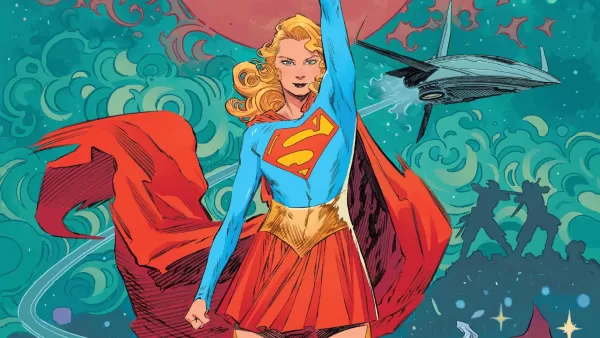
Instead, the DCU has opted for Paradise Lost, a television series about the Amazons of Themyscira set before Wonder Woman's birth. While expanding the lore of the Amazons is valuable, creating a show within the Wonder Woman franchise without featuring Wonder Woman herself feels reminiscent of the Sony Marvel Universe. This decision raises questions about whether DC Studios views Diana as less of a draw than the world-building associated with her. The urgency to establish a new Batman franchise, potentially leading to two concurrent live-action Batman series, while neglecting Wonder Woman, is puzzling.
This approach to the third member of DC's Trinity echoes past patterns. The DC Animated Universe in the '90s and early 2000s featured Wonder Woman prominently in Justice League and Justice League Unlimited, but she never received a solo animated series, unlike Batman and Superman. In DC Universe's direct-to-video animated films, she's a regular but has only starred in two: Wonder Woman in 2009 and Wonder Woman: Bloodlines in 2019. Given the superhero genre's popularity over the last few decades, the scarcity of Wonder Woman projects is baffling.
AnswerSee Results
Let Me Play as Wonder Woman, Dammit
The recent cancellation of the Wonder Woman game developed by Monolith Productions adds to the frustration. Whether the underperformance of other DC games like Suicide Squad: Kill the Justice League and MultiVersus played a role is unclear, but the long development cycle ending in cancellation is disheartening, especially since it would have been Diana's first lead role in a game. With the resurgence of character action games, now is the perfect time for a Wonder Woman action-adventure game akin to God of War or Ninja Gaiden.
While Diana has been playable in games like Injustice, Mortal Kombat vs. DC Universe, and various LEGO DC titles, the absence of a AAA action game dedicated to her is inexcusable. DC's failure to follow up on the success of Rocksteady's Batman Arkham series with games featuring Wonder Woman, Superman, and the Justice League is a missed opportunity. It's particularly galling that Diana's first appearance in the Arkham timeline in Suicide Squad: Kill the Justice League involves her being killed off as a non-playable character, while the male members of the Justice League survive as evil clones.
The struggles with the film franchise, the lack of animated series, and the poor video game representation highlight a troubling lack of respect from Warner Bros. and DC for one of their most iconic characters. If they undervalue the third most significant hero in their roster, it calls into question their regard for the thousands of other DC characters. Hopefully, Gunn's Superman reboot will pave the way for a new era of DC adaptations, moving away from the troubled DCEU. As Warner Bros. relaunches the franchise, it's crucial they recognize the immense value Diana Prince brings. After nearly a century, she and her fans have waited long enough.
Latest News
more >-
- Dwight Actor: Post-Carell Office a Struggle
- 10/10,2026
-
- Navigate Pixel Mystery Maze's Every Puzzle
- 10/10,2026
-
-
- Disney Speedstorm Launches Open Roster Week
- 10/07,2026
-