Fortnite's Age in 2025 Revealed
- By Scarlett
- May 03,2025
With Victory Royale after Victory Royale, it's easy to overlook just how long *Fortnite* has been captivating gamers worldwide. Initially launched as a zombie survival game, it evolved into a Battle Royale phenomenon, becoming a cultural staple. Let's dive into the rich history of *Fortnite* and discover how old it is.
How Long Has Fortnite Been Around?
It might surprise you, but by July 2025, *Fortnite* will celebrate its eighth birthday. This milestone event will likely honor the game's past while looking forward to its future.
The Full Fortnite Timeline
Save the World – The Birth Of Fortnite
*Fortnite* debuted with *Save the World*, a survival mode where players built defenses and fought against zombie-like creatures called "husks." This mode set the stage for what *Fortnite* would become, before Epic Games ventured into the Battle Royale genre.
Entering the Battle Royale World
The Battle Royale mode transformed *Fortnite* into a household name. Unique to *Fortnite* was the building mechanic, which added a fresh twist to the genre and fueled its explosive growth.
The Evolution Of Fortnite Battle Royale
The Beginning
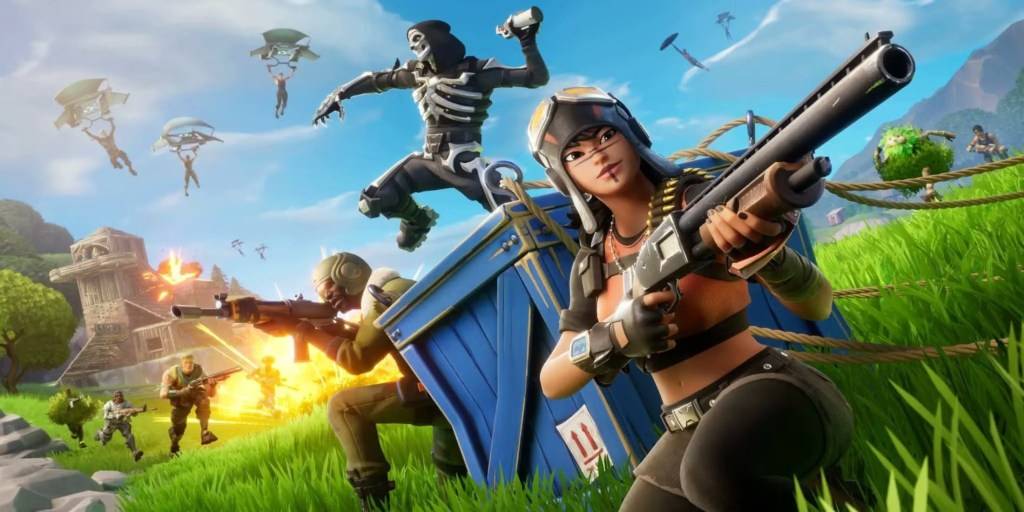
The original *Fortnite* map, often referred to as the OG map, holds a special place in players' hearts due to its nostalgic value and beloved Points of Interest (POIs). Early seasons of Chapter 1 introduced iconic locations like Titled Towers and Retail Row. Live events, including the rocket launch, Kevin the Cube, a floating ice island, volcanoes, and the epic showdown between a mecha team leader and a monster, captivated audiences. The infamous BRUTE mech caused quite a stir, and the black hole event marked a dramatic end to Chapter 1.
Taking Over the eSports World
*Fortnite* concluded Chapter 1 with a groundbreaking $30 million World Cup, where players from around the globe competed to determine the best. Bugha emerged as the champion, cementing his status as a top player. Following this success, Epic Games established a seasonal championship across various regions, providing opportunities for players to achieve professional eSports status. Today, regions like NA East, NA West, Brazil, Oceania, Europe, and Asia host numerous tournaments such as FNCS and cash cups, culminating in an annual Global Championship held in different cities worldwide.
A New Chapter
Chapter 2 brought a new map and introduced innovative mechanics such as swimming, boats, and fishing, along with new weapons and skins, expanding the *Fortnite* universe.
Carrying the Momentum
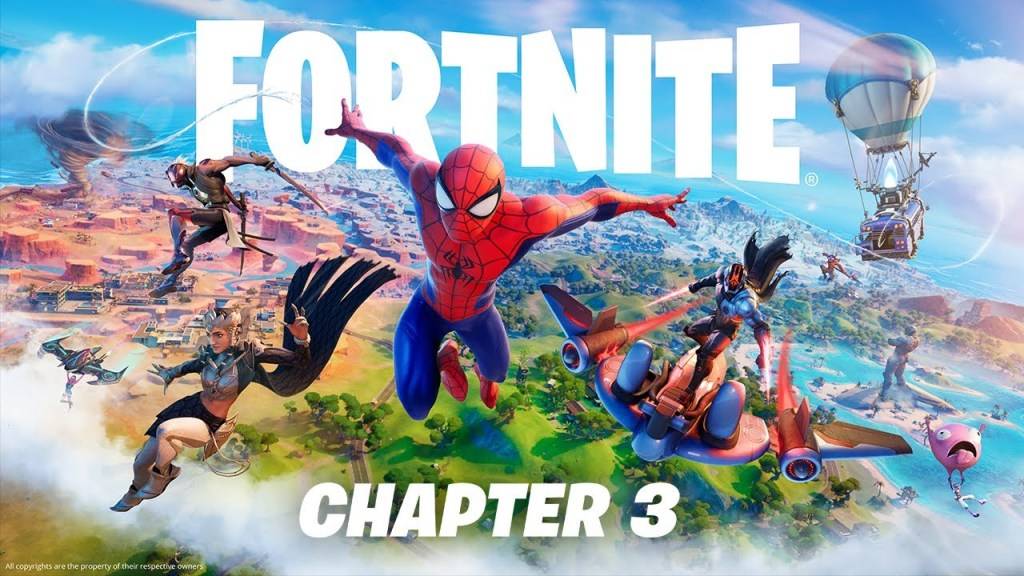
Chapter 3, released in 2022, introduced sliding and sprinting, enhancing gameplay dynamics. The Creative mode empowered players to design and share custom maps, with monetization options introduced in March 2023. To address the steep learning curve associated with building, Epic Games launched Zero Build, catering to players who preferred a different gameplay experience.
Transitioning To Unreal Engine
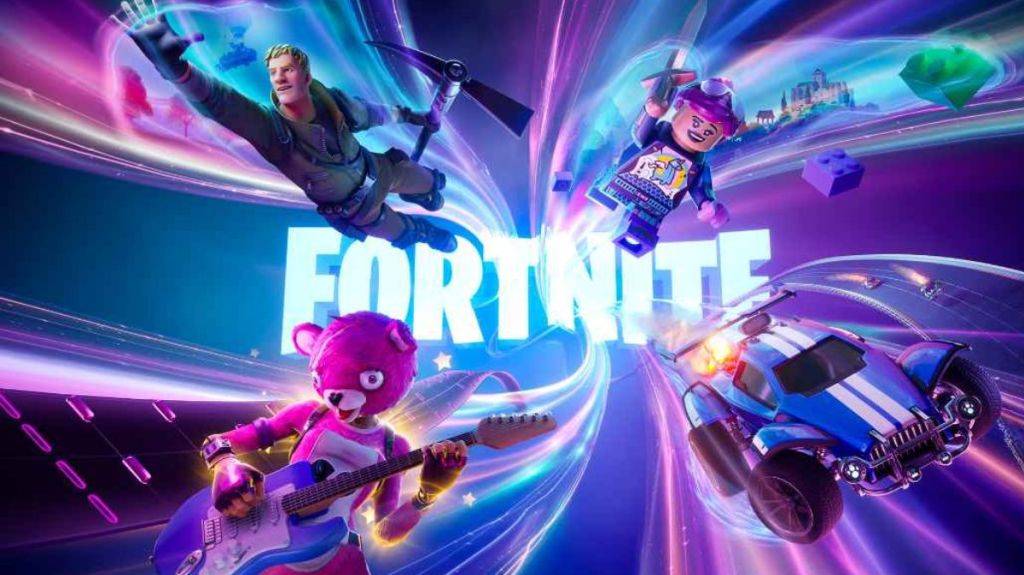
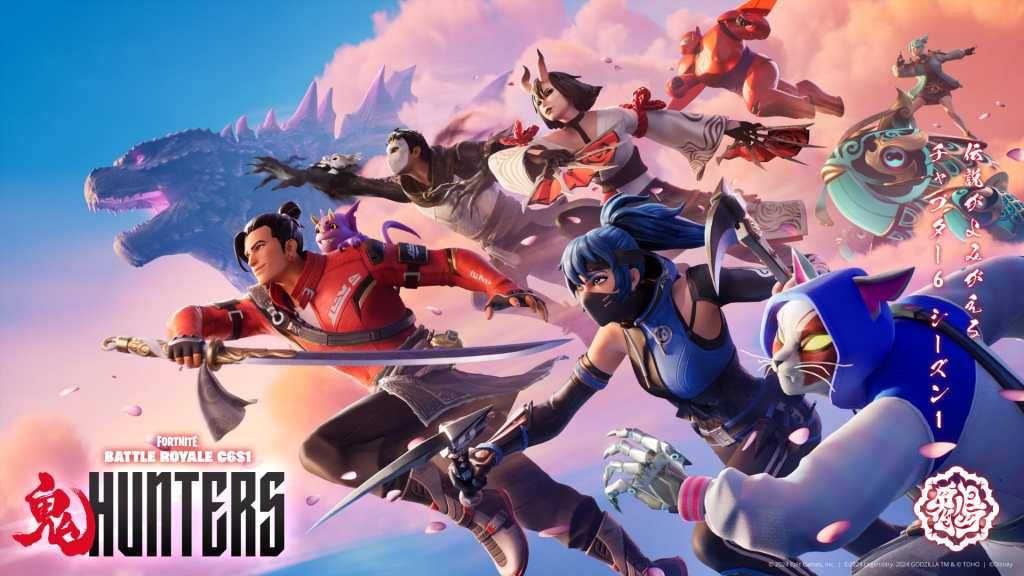
Chapter 4, released in 2023, utilized Unreal Engine, enhancing the game's visuals and performance. The shift to Unreal Engine facilitated smoother animations and a more realistic gameplay experience. Chapter 5, launched in 2024, continued to leverage Unreal Engine, introducing new modes like *Rocket Racing*, *LEGO Fortnite*, and *Fortnite Festival*, along with the much-anticipated first-person mode and revamped movement mechanics.
Worldwide Appeal
*Fortnite* maintains its status as a top-played game through continuous updates and engaging storylines. The game's collaborations with global icons like Travis Scott, Marshmello, Ariana Grande, and Snoop Dogg have kept it fresh and relevant, transforming *Fortnite* into a cultural phenomenon.
And that's the comprehensive history of *Fortnite*. Available on multiple platforms, including the Meta Quest 2 and 3, *Fortnite* continues to evolve and entertain players worldwide.
Latest News
more >-

- Dwight Actor: Post-Carell Office a Struggle
- 10/10,2026
-

- Navigate Pixel Mystery Maze's Every Puzzle
- 10/10,2026
-

-
- Disney Speedstorm Launches Open Roster Week
- 10/07,2026
-