iPhone Generations: Complete Release Date History
- By Natalie
- May 22,2025
The Apple iPhone stands as one of the most innovative inventions of the 21st century, with over 2.3 billion units sold worldwide. It's hailed as a revolutionary device, reshaping technology and consumer expectations. With 17 years since the debut of the first iPhone, it's fascinating to reflect on the evolution of iPhone generations. Apple has consistently released multiple models each year, and with the latest being the iPhone 16, there's a rich history to explore from 2007 to 2024.
iPhone Release History
Upcoming iPhones!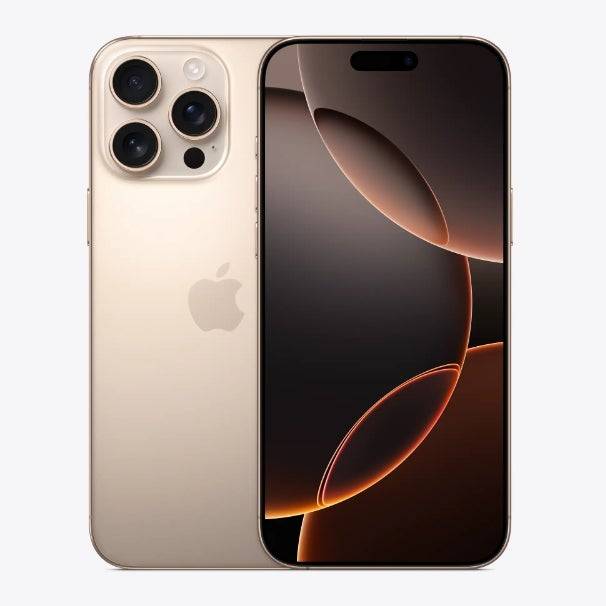
iPhone 16 Pro Max
0 See it at Best BuyLooking to save money on a new Apple phone? Check out our guide to the best iPhone deals happening now.
How Many iPhone Generations Have There Been?
In total, there have been **24 different iPhone generations**. The journey began with the first iPhone in 2007, and Apple has continued to launch at least one new model annually. This count includes variations like the Plus or Max series alongside the mainline iPhone generation, with distinct models such as the iPhone SE 2 and iPhone XR noted separately. Answer See ResultsEvery iPhone Generation in Order of Release
iPhone - June 29, 2007
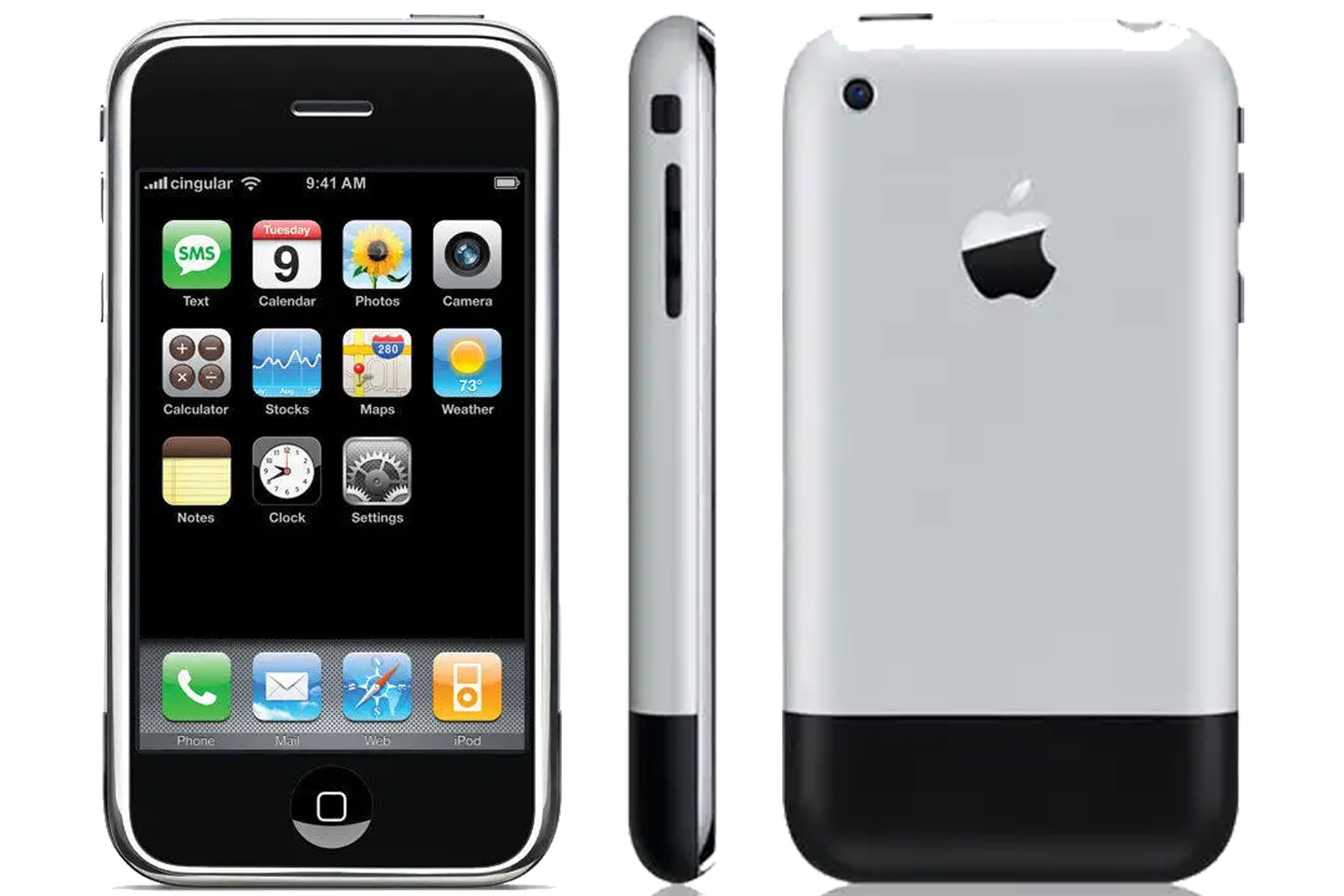 The revolutionary first iPhone was unveiled on June 29, 2007. It combined the functionality of an iPod, phone, and internet device, marking a significant leap in the smartphone market. Apple's bold move to ditch the physical keyboard for a digital touchscreen set the stage for modern smartphones. With its 3.5-inch display and a 2-megapixel camera, the iPhone was a game-changer that transformed the tech landscape.
iPhone 3G - July 11, 2008
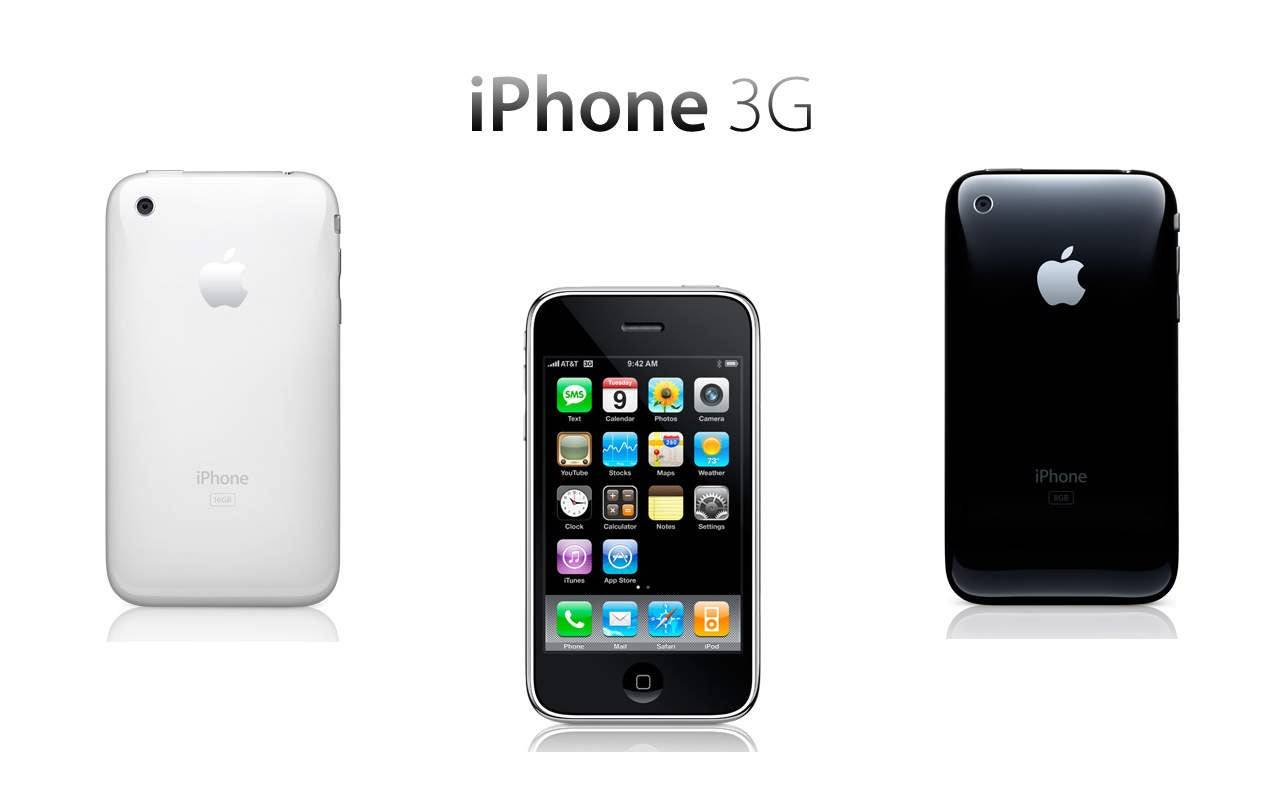 Image Credit: Cult of Mac
The iPhone 3G introduced 3G connectivity, significantly enhancing data speeds. It was also the first iPhone to feature the Apple App Store, opening up a new world of mobile applications and developer opportunities.
Image Credit: Cult of Mac
The iPhone 3G introduced 3G connectivity, significantly enhancing data speeds. It was also the first iPhone to feature the Apple App Store, opening up a new world of mobile applications and developer opportunities.
iPhone 3GS - June 19, 2009
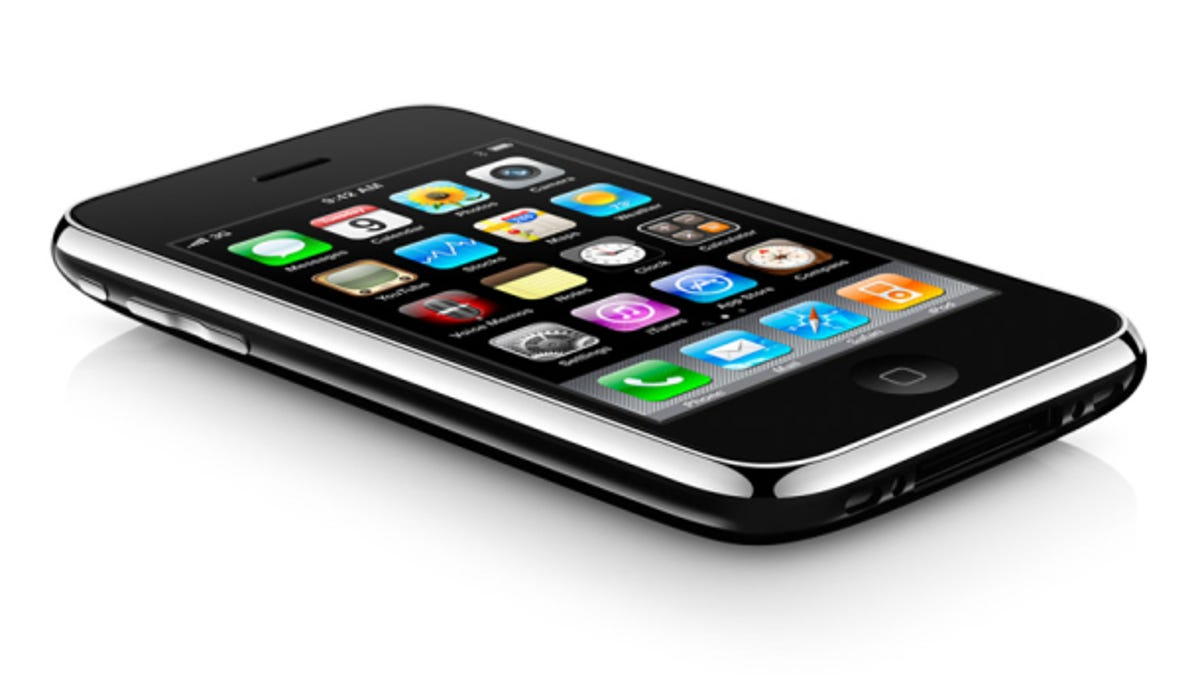 The iPhone 3GS brought a camera upgrade to 3 megapixels, improving photo quality and pushing smartphones closer to replacing traditional cameras. It also introduced new storage options and boasted performance improvements, claiming to be twice as fast as its predecessor.
iPhone 4 - June 24, 2010
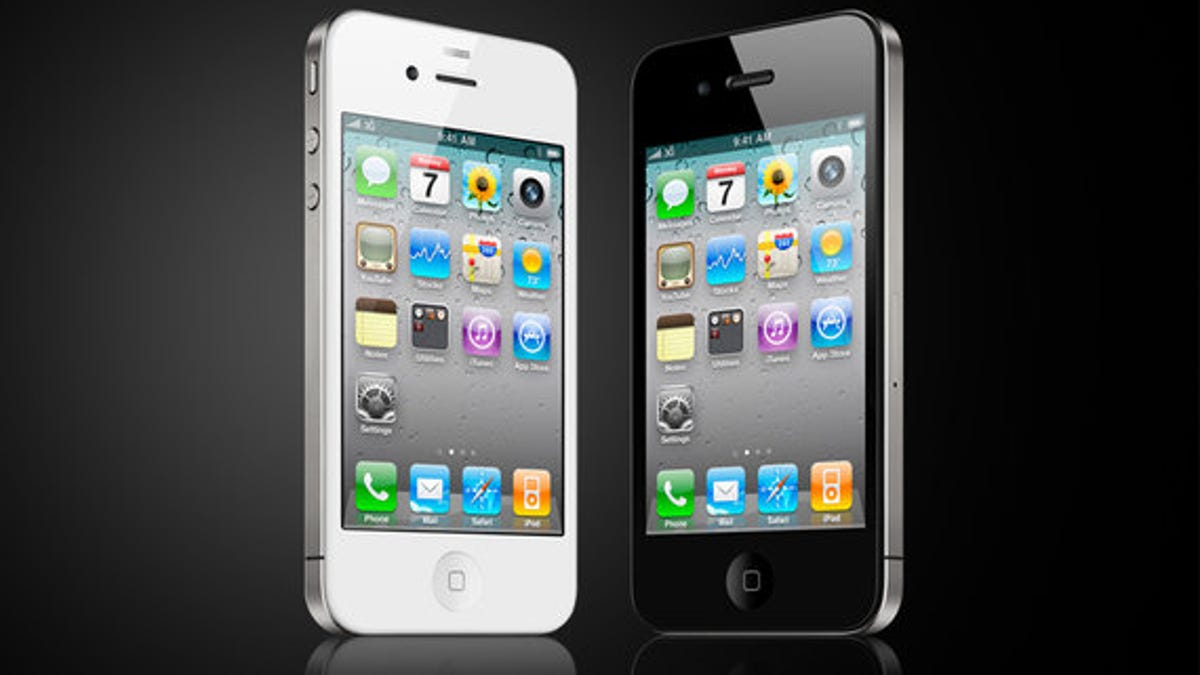 The iPhone 4 introduced FaceTime, enabling video calls across devices. It featured a 5-megapixel camera with HD video recording and an LED flash. The iPhone 4 also debuted Apple's Retina display, enhancing screen clarity and text readability.
iPhone 4S - October 14, 2011
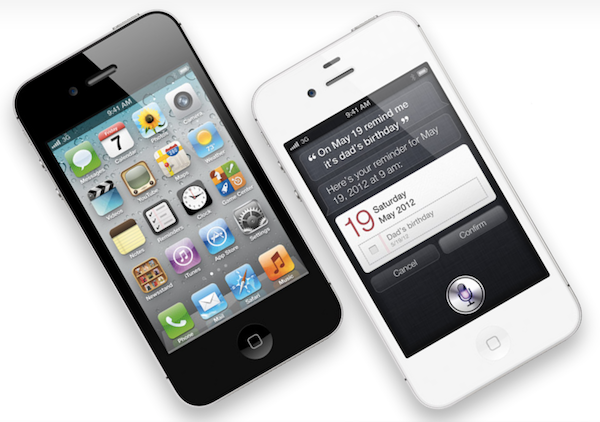 The iPhone 4S is best remembered for introducing Siri, Apple's virtual assistant that has since become a hallmark of the Apple ecosystem. It also featured an 8-megapixel camera with 1080p video recording, and introduced major software like iCloud and iMessage.
iPhone 5 - September 21, 2012
 The iPhone 5 was the first to support LTE, enabling faster data speeds. It focused on audio enhancements with new microphones and introduced the Lightning port, a significant change from the 30-pin connector.
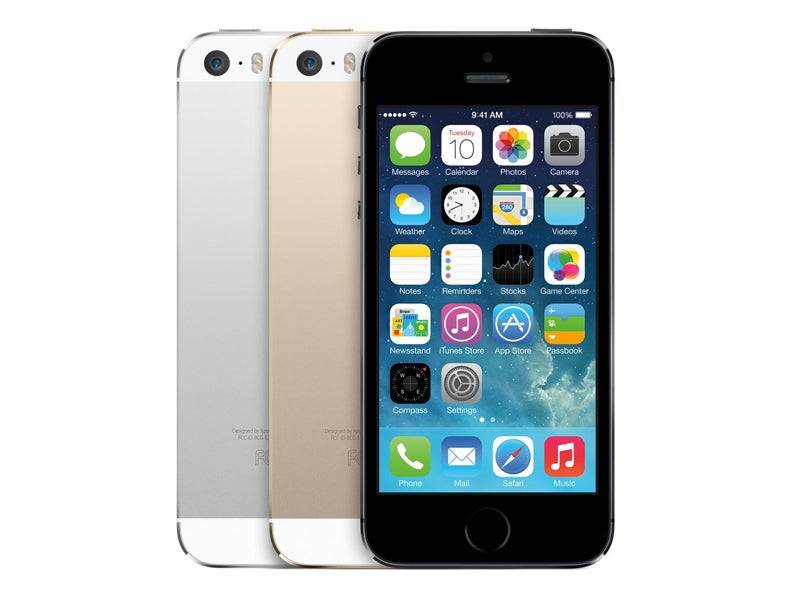
iPhone 5S - September 20, 2013
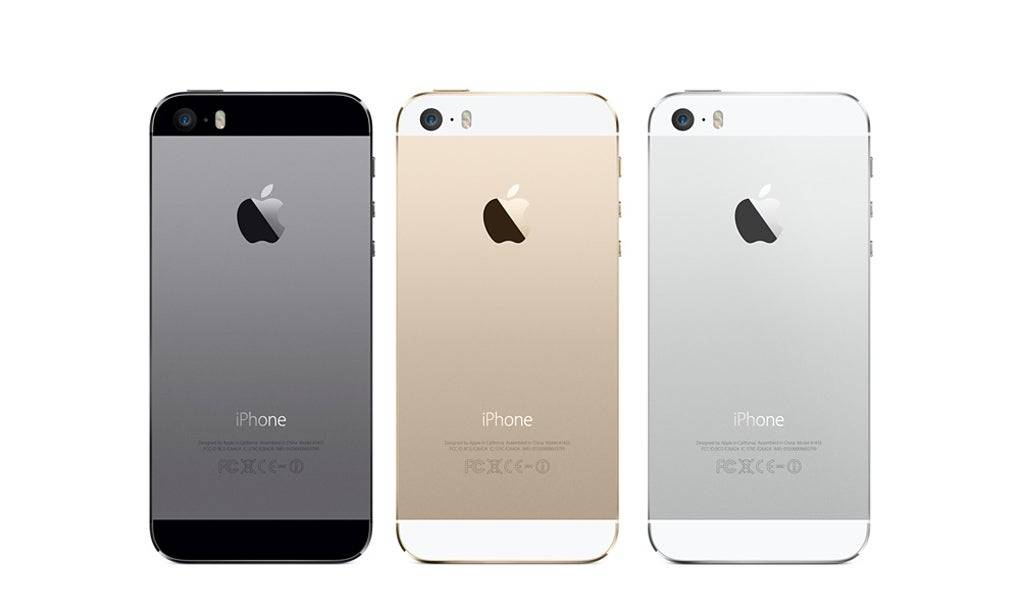 The iPhone 5S introduced Touch ID, allowing fingerprint-based unlocking, a feature that became standard in subsequent models until the iPhone X. It also featured the A7 processor and advanced camera technology.
iPhone 5C - September 20, 2013
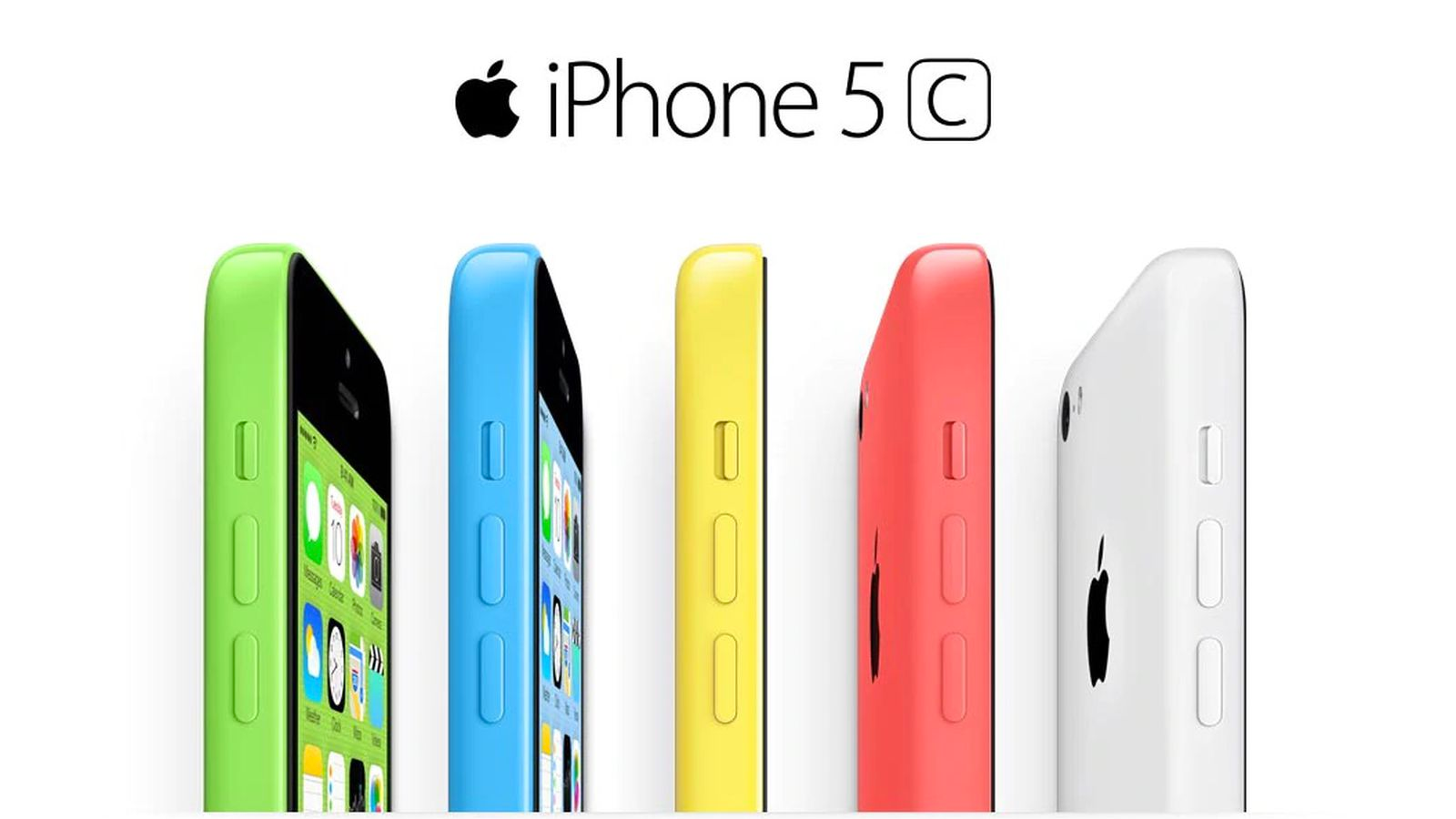 The iPhone 5C was Apple's first budget-friendly iPhone, released alongside the iPhone 5S. It featured vibrant colors and utilized the same hardware as the iPhone 5, offering an affordable entry point into the iPhone ecosystem.
iPhone 6 - September 19, 2014
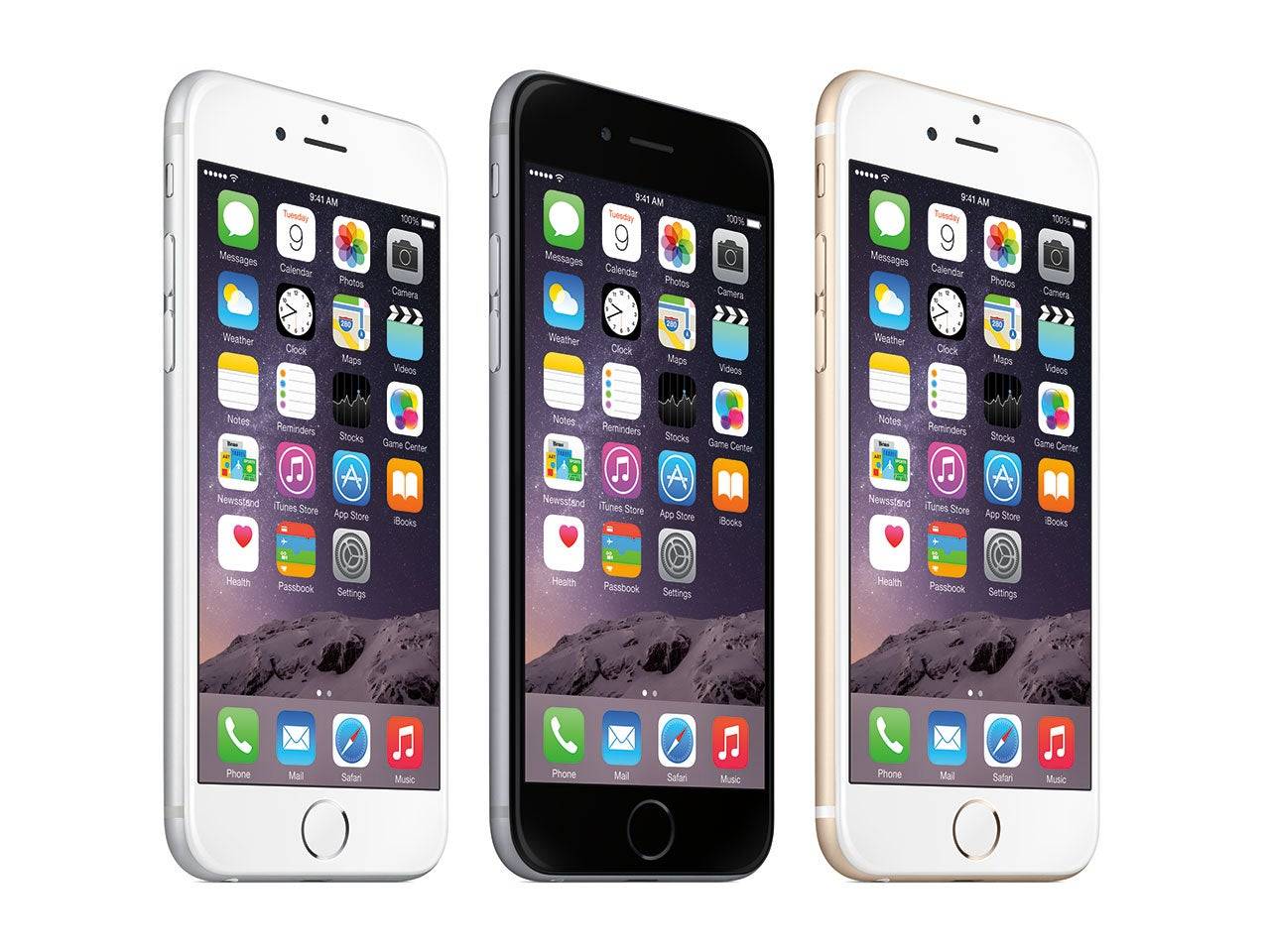 The iPhone 6 introduced a sleeker design and Apple Pay, powered by NFC technology. It was the first iPhone generation to offer multiple models, with the iPhone 6 Plus featuring a larger 5.5-inch screen.
iPhone 6S - September 25, 2015
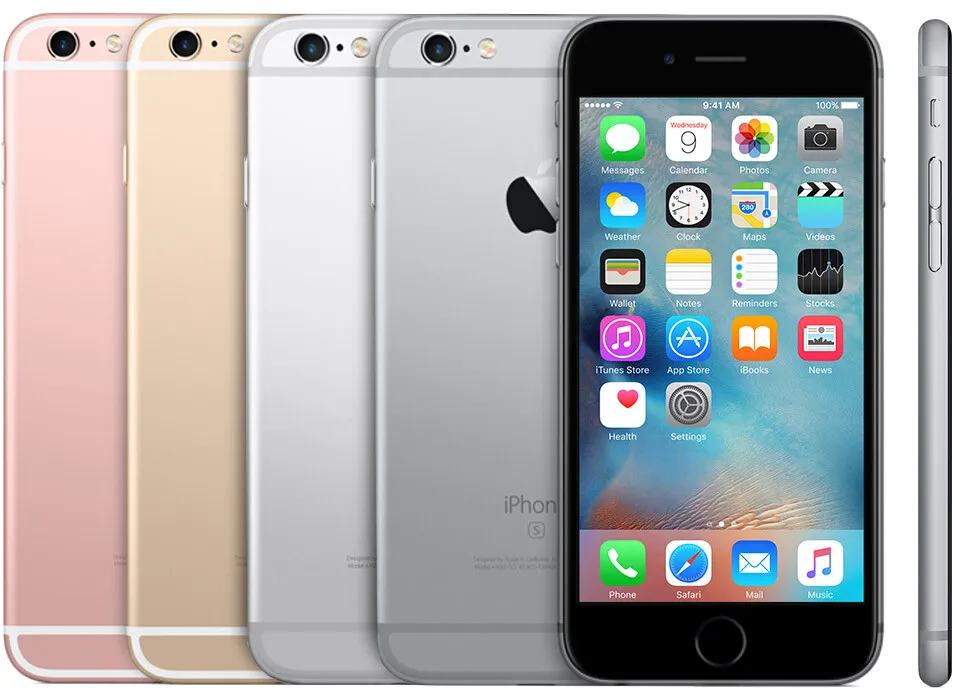 The iPhone 6S introduced 3D Touch, allowing the screen to detect varying pressure levels for new gestures. It also added 4K video recording capabilities, enhancing the iPhone's utility for video capture.
iPhone SE - March 31, 2016
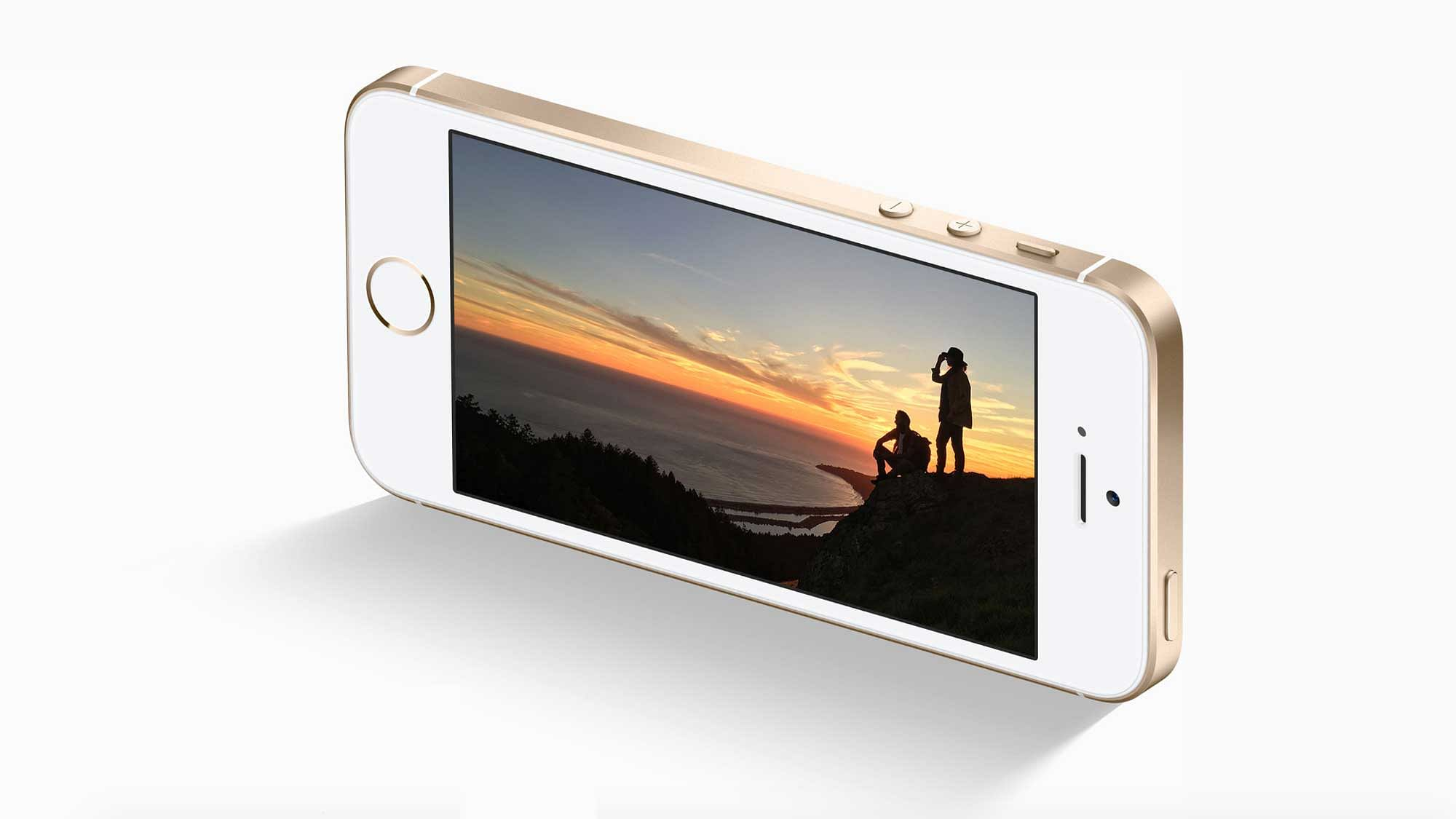 The iPhone SE combined the compact design of the iPhone 5S with updated features from the iPhone 6S, including 4K video recording, offering a powerful yet affordable option.
iPhone 7 - September 16, 2016
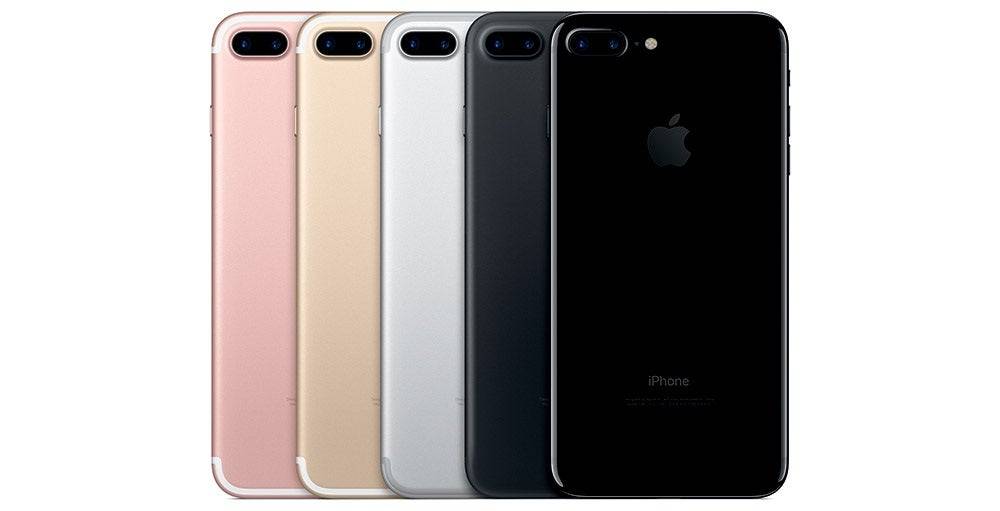 The iPhone 7 controversially removed the headphone jack, pushing users towards Bluetooth or Lightning port audio solutions. It added water resistance and a dual-camera system on the iPhone 7 Plus.
iPhone 8 - September 22, 2017
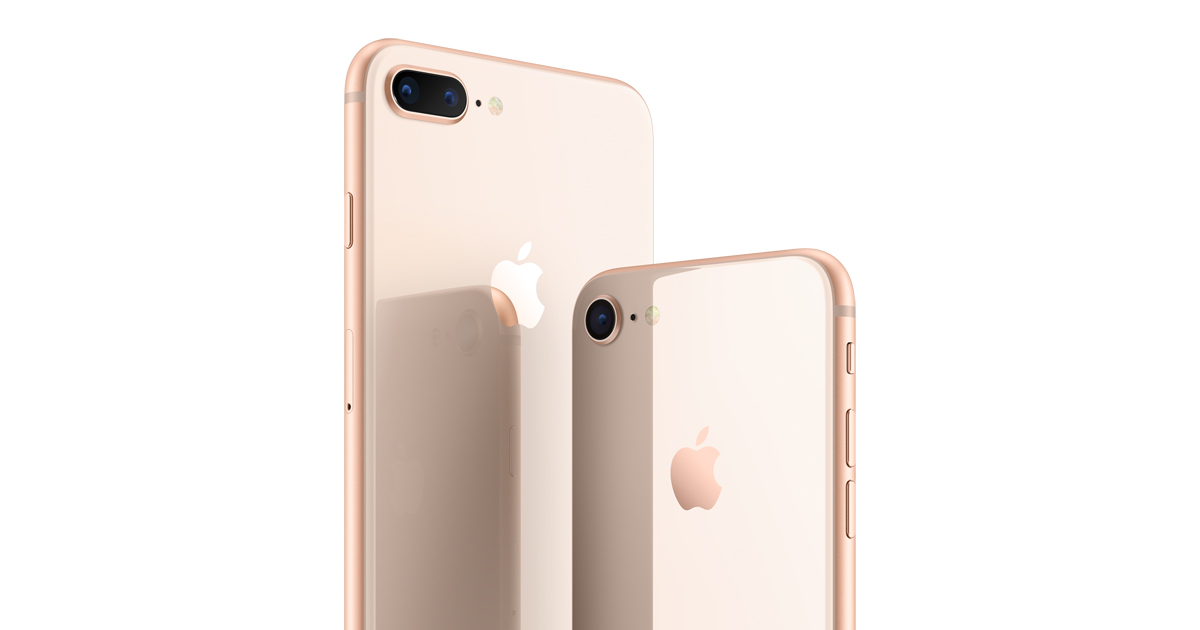 The iPhone 8 added wireless charging and a True Tone display, which adjusted screen colors based on ambient lighting. It maintained a similar design to the iPhone 7 but with these notable enhancements.
iPhone X - November 3, 2017
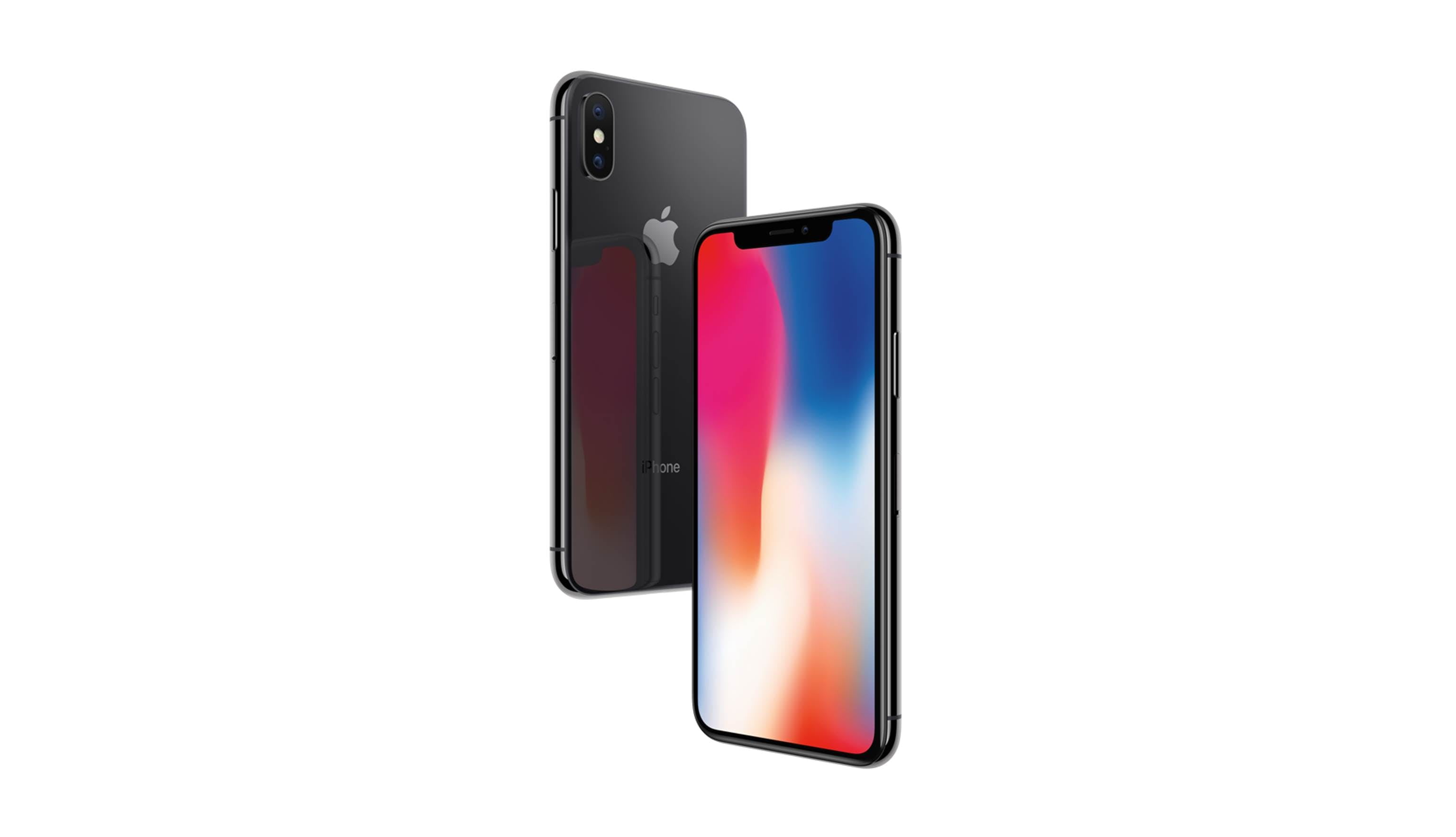 The iPhone X marked a significant design shift, featuring an all-screen display and introducing Face ID. It set the template for future models with its edge-to-edge screen and facial recognition technology.
iPhone XS - September 21, 2018
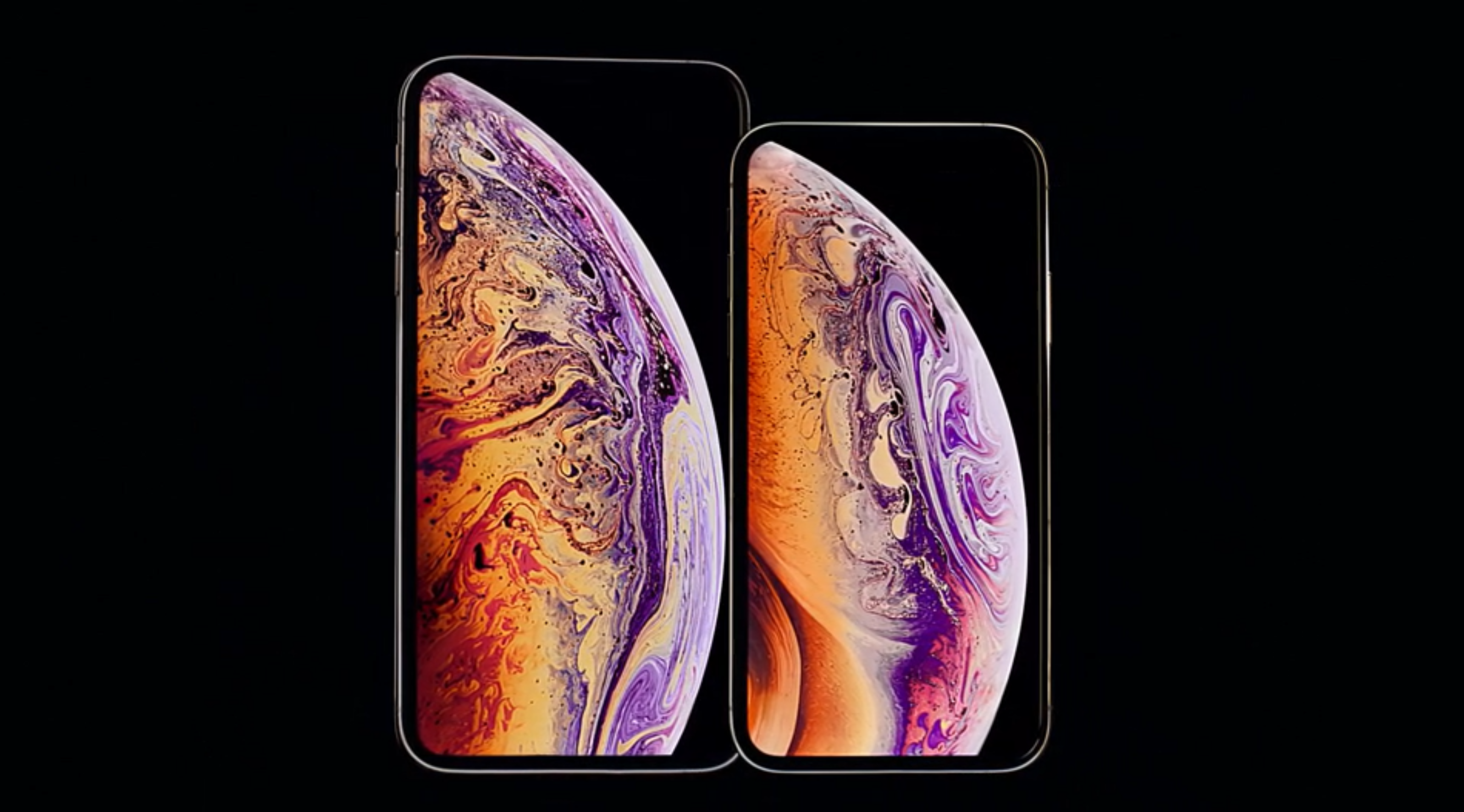 The iPhone XS brought minor improvements over the iPhone X, including enhanced water resistance and a dual-SIM tray, catering to international users and travelers.
iPhone XR - October 26, 2018
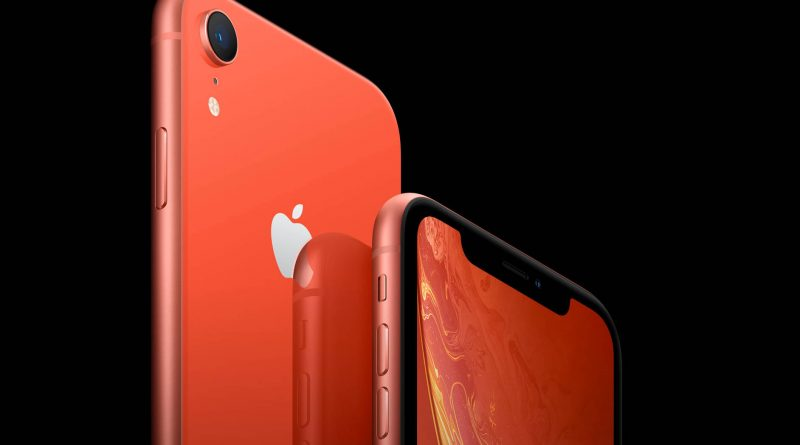 The iPhone XR offered a more budget-friendly option with an LCD display and a single rear camera, yet it retained many features of the premium iPhone X and XS models.
iPhone 11 - September 20, 2019
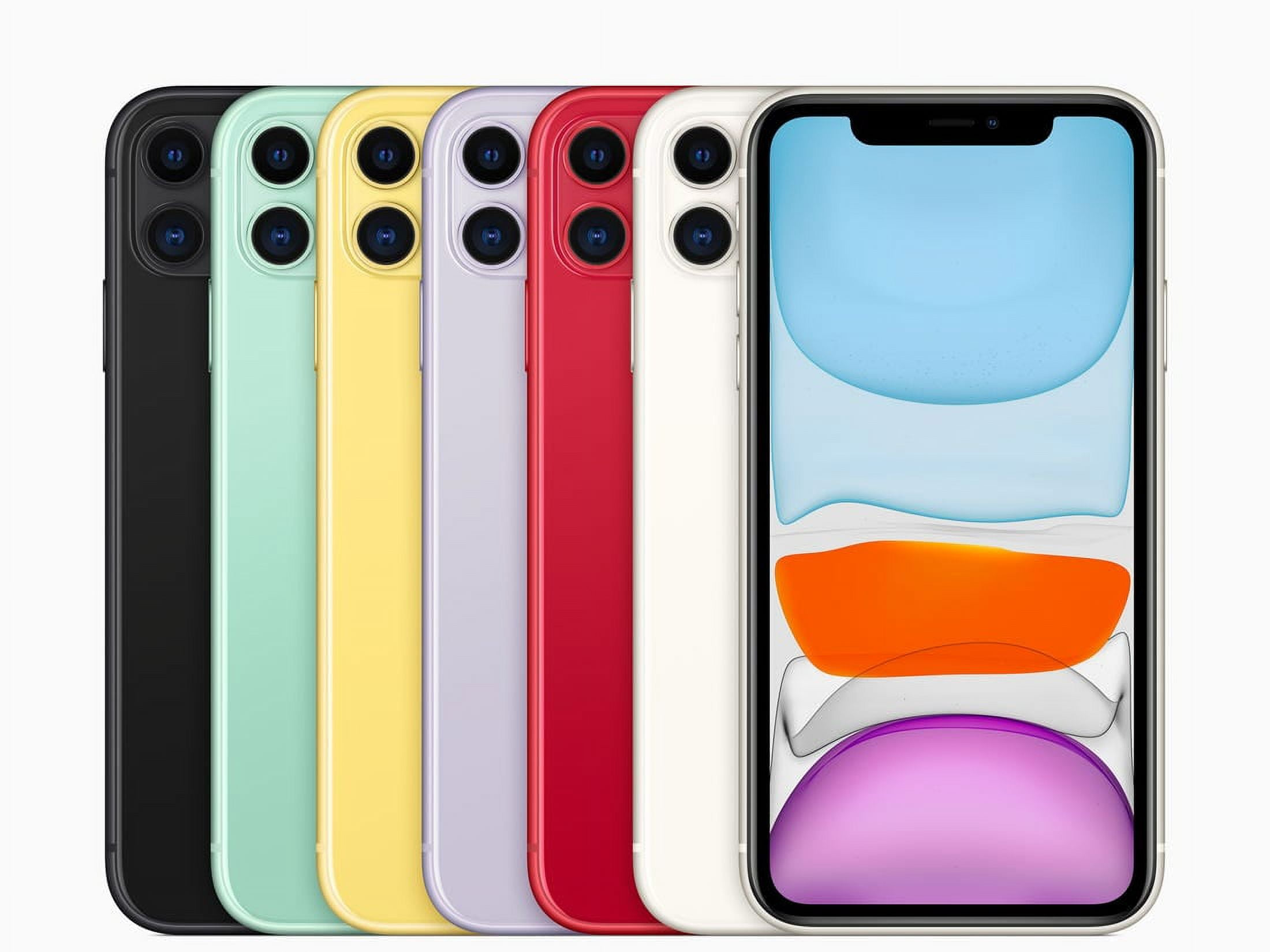 The iPhone 11 increased the base model screen size to 6.1 inches and introduced an Ultra Wide camera. It was the first generation to offer Pro models with advanced camera systems and HDR support.
iPhone SE (2nd Gen) - April 24, 2020
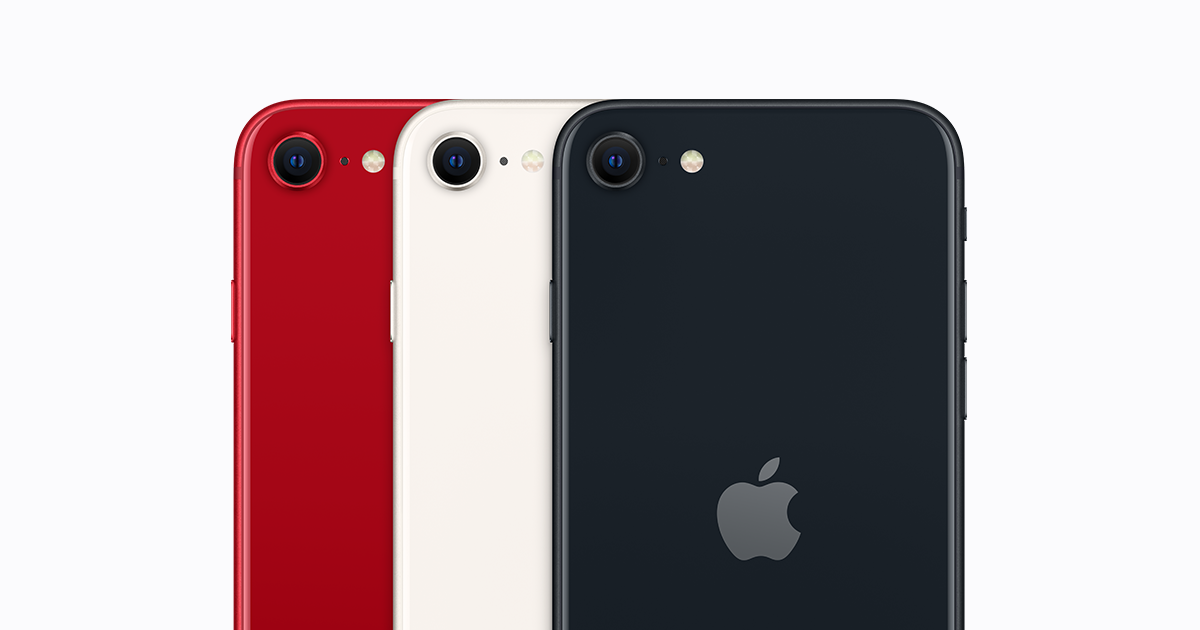 The second-generation iPhone SE improved performance with the A13 Bionic chip and introduced a larger 4.7-inch screen with a True Tone display. It added Haptic Touch for enhanced user interaction.
iPhone 12 - October 23, 2020
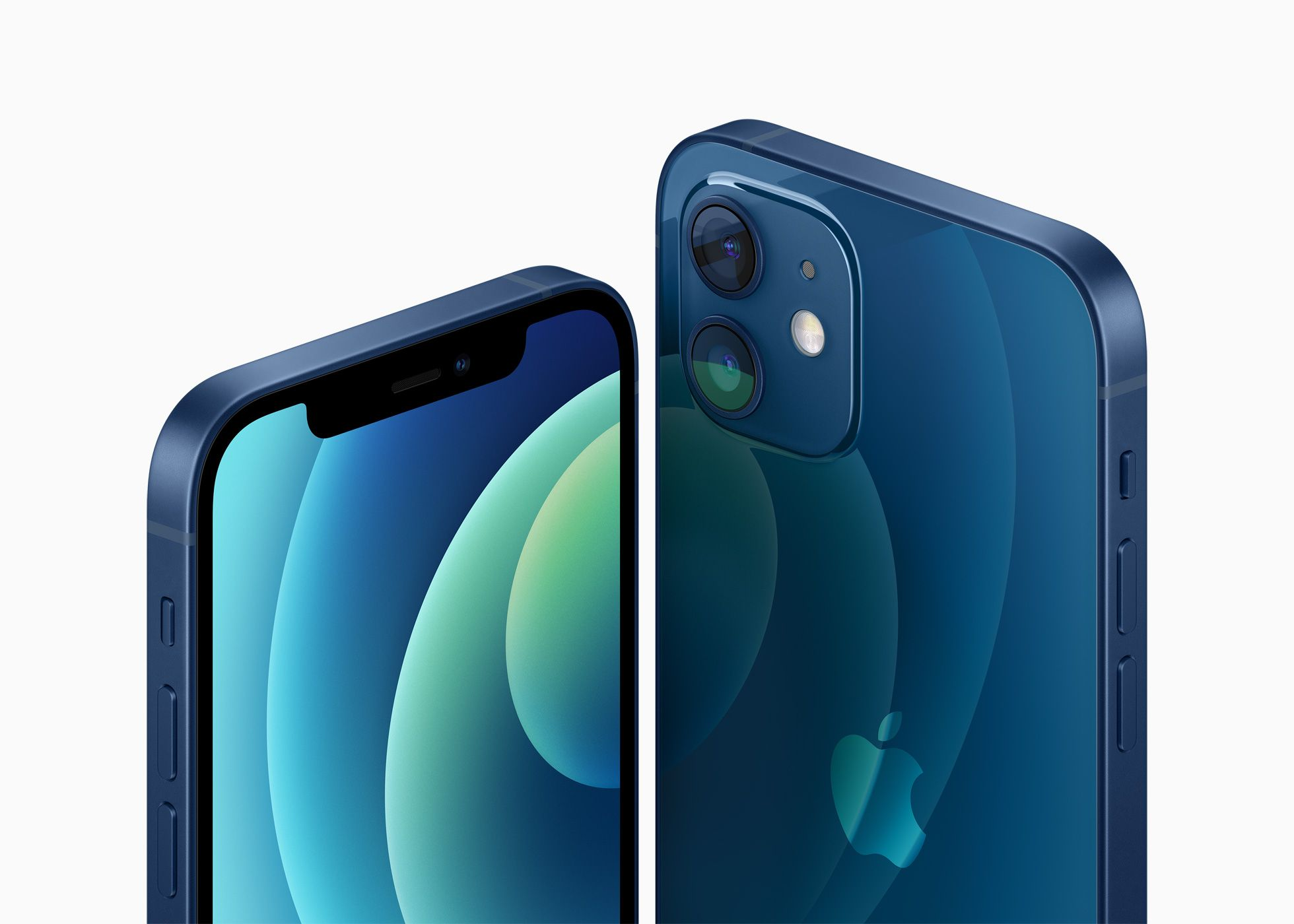 The iPhone 12 introduced MagSafe, allowing for magnetic accessory attachment, and featured a Super Retina XDR display. It also introduced Ceramic Shield for enhanced durability.
iPhone 13 - September 24, 2021
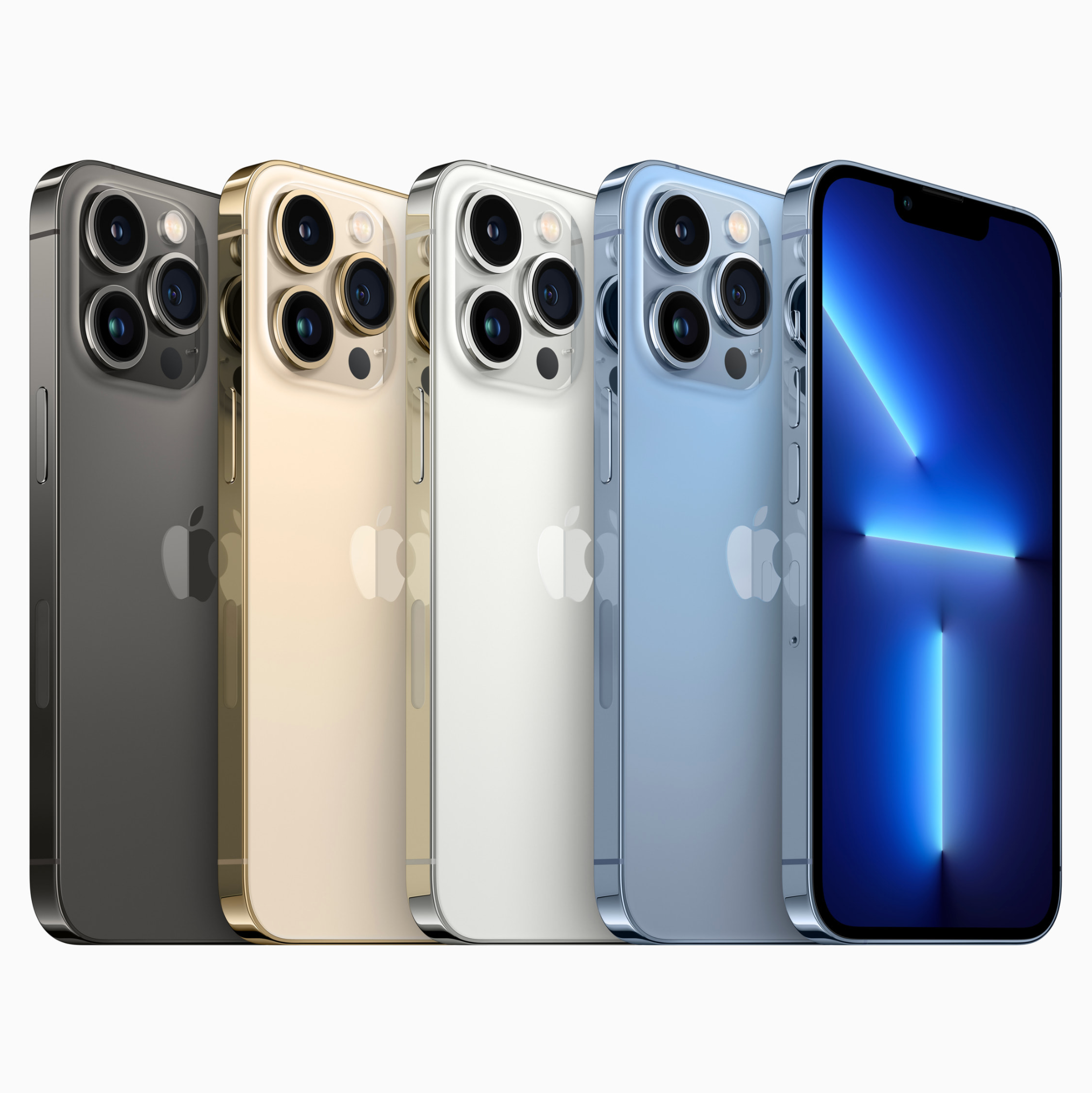 The iPhone 13 boasted significant battery life improvements and introduced Cinematic Mode for video recording. The Pro models featured ProRes video capabilities.
iPhone SE (3rd Gen) - March 18, 2022
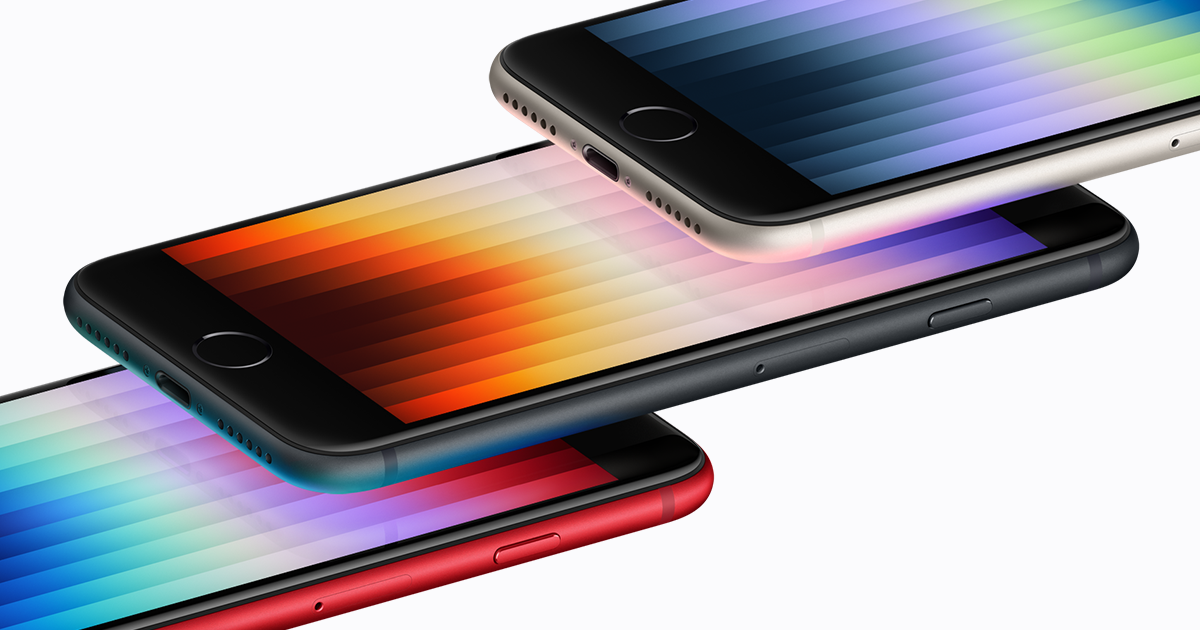 The third-generation iPhone SE brought back the home button and introduced 5G connectivity. It included advanced photography features like Night Mode and Photographic Styles.
iPhone 14 - September 16, 2022
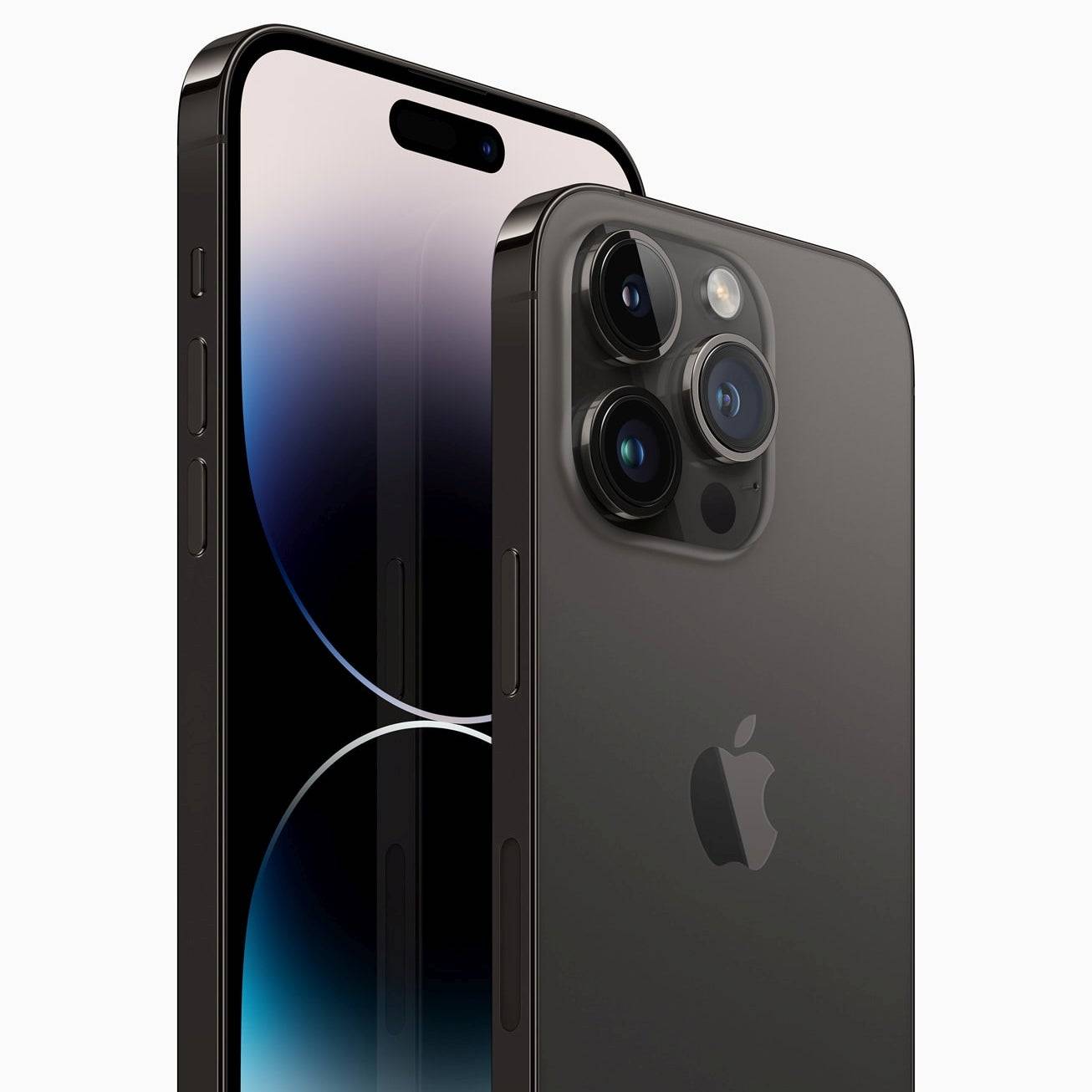 The iPhone 14 introduced Emergency SOS via Satellite connectivity and upgraded camera systems across all models. It also marked the return of the Plus model.
iPhone 15 - September 22, 2023
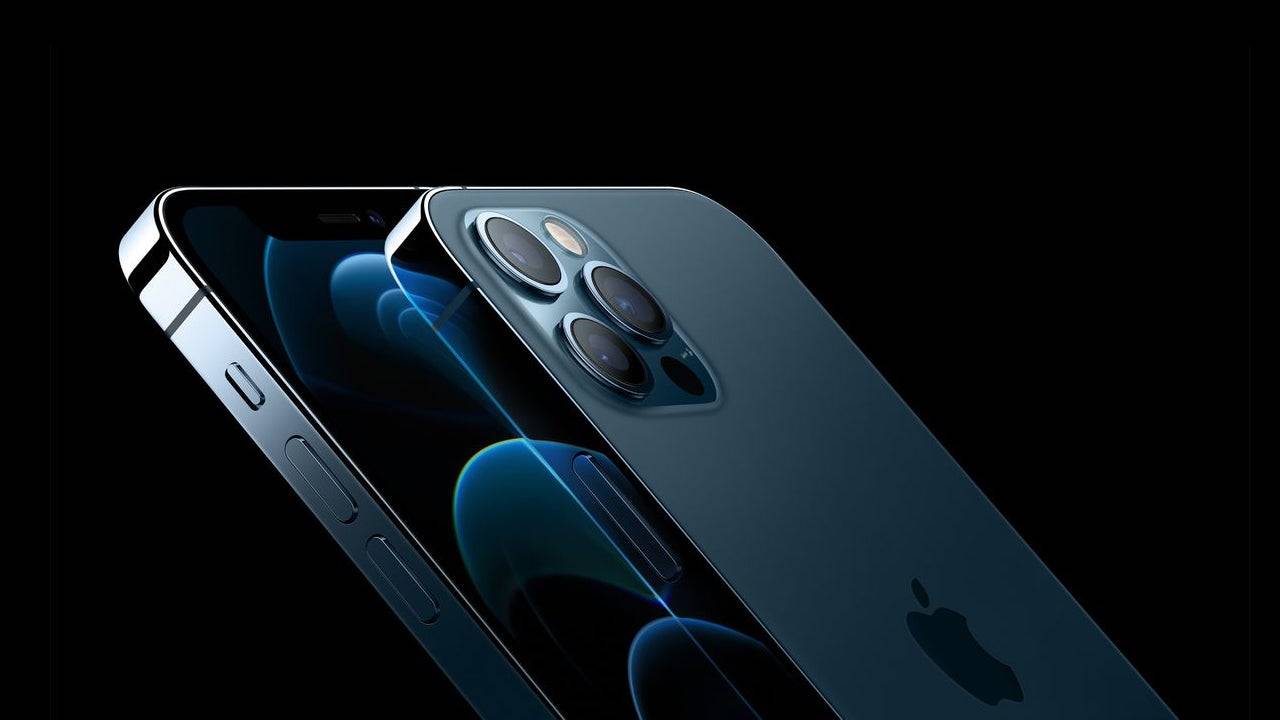 The iPhone 15 series, including standard, Plus, Pro, and Pro Max models, switched from Lightning to USB-C due to new EU regulations. The Pro models featured a new lens, titanium frame, and an action button.
iPhone 16 - September 20, 2024
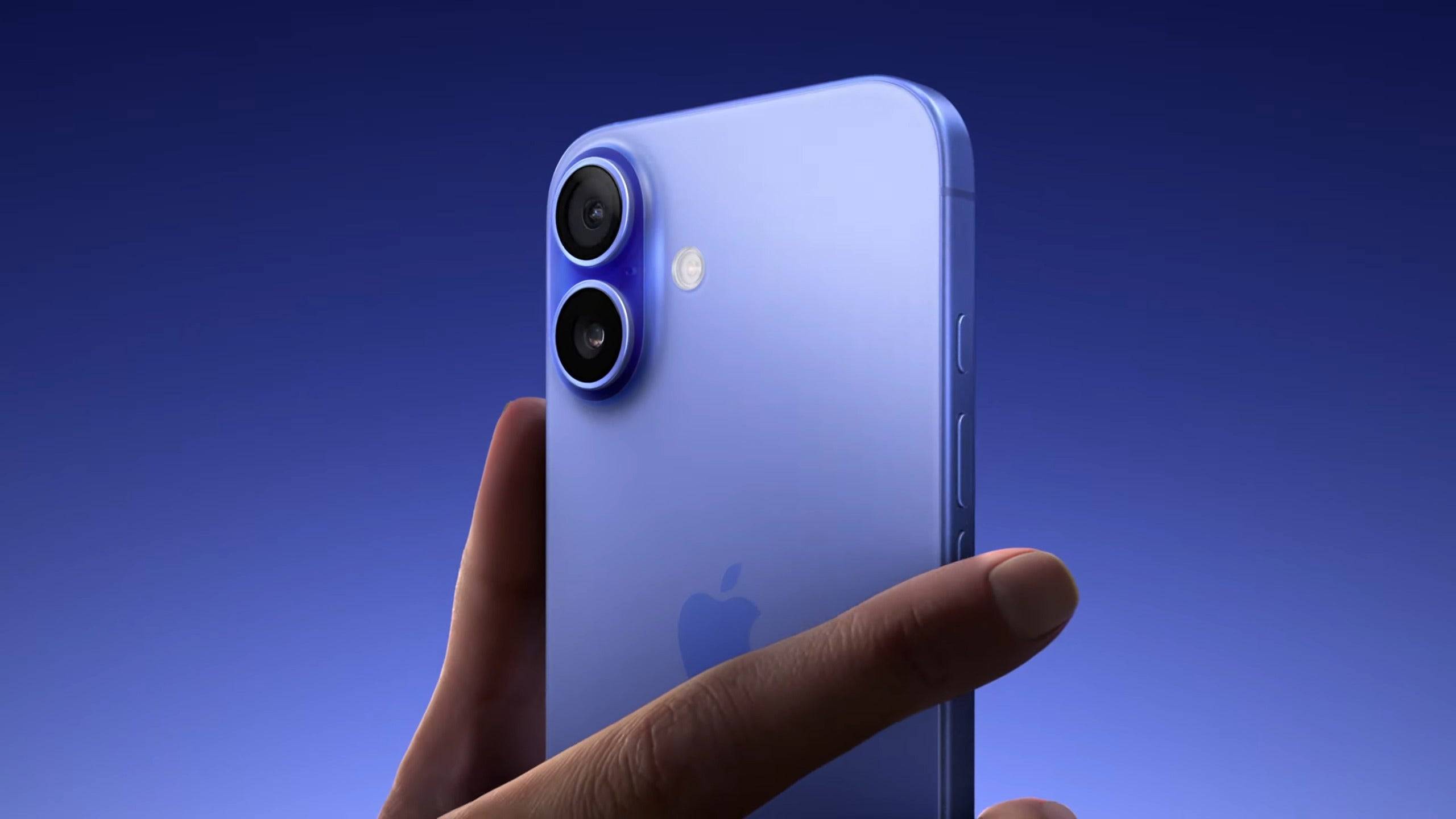 Apple unveiled the iPhone 16 series in September 2024, highlighting faster CPU performance, a customizable action button, and the integration of Apple Intelligence. Our review of the iPhone 16 and iPhone 16 Pro Max detailed the latest updates.
When Is the iPhone 17 Coming Out?
While the iPhone 16 was recently announced, anticipation for the iPhone 17 is already building. Though details are scarce, it's likely that Apple will follow its usual pattern and release the iPhone 17 around September 2025.You can see our guide to all of the biggest iPhone 16 announcements from the event today.
Looking to dive into more Apple history? Check out our guide to every iPad generation and every Apple Watch generation.
Latest News
more >-

-

-

-

-

- No, I'm Not A Human Release Date and Time
- 10/21,2026