Nintendo Switch 2 Game Prices Spark Debate, Exclusive Titles Soften Impact
- By Daniel
- Sep 23,2025
A former Sony Interactive Entertainment America executive addressed the controversy over Nintendo Switch 2's pricing, noting that the appeal of exclusive Nintendo titles helps offset the higher costs.
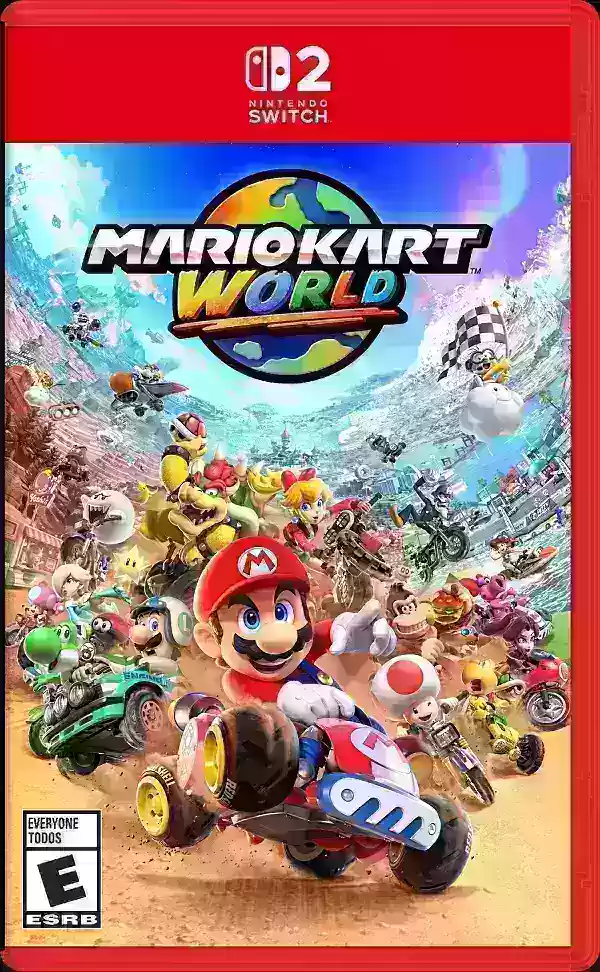
Nintendo recently revealed the Switch 2's price at $449.99, exceeding some analyst expectations by about $50, with certain games, including Mario Kart World, priced at a contentious $79.99.
Nintendo offers a bundle including Mario Kart World and the Switch 2 for $499.99, effectively reducing the game's cost by $30. This deal, however, is temporary, and its future is uncertain due to potential tariffs and a delayed U.S. pre-order schedule.
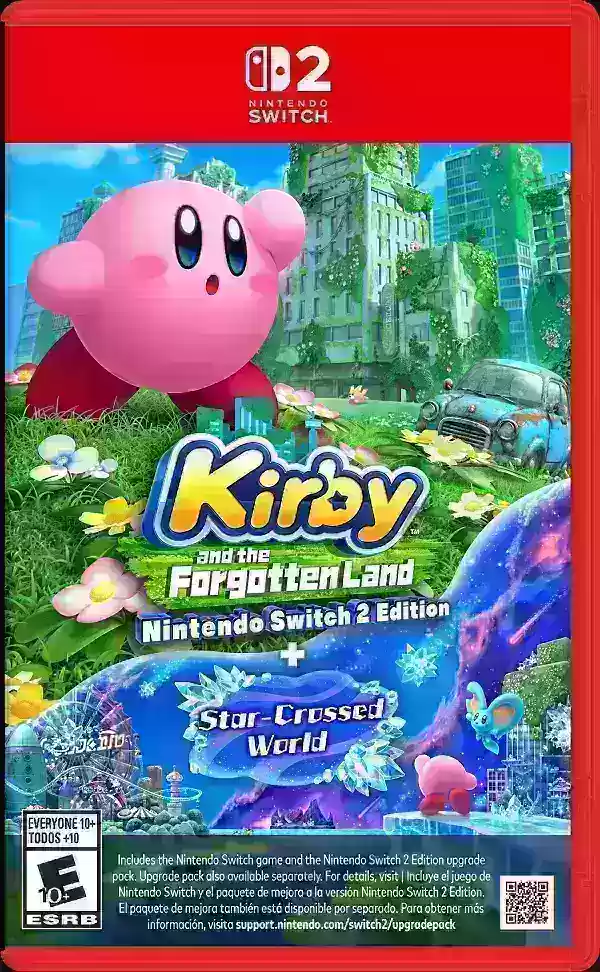
Mario Kart World isn't the only title priced at $80. Other Switch 2 Edition games announced during the Nintendo Direct, such as Kirby and The Forgotten Land - Nintendo Switch 2 Edition + Star Crossed World, Super Mario Party Jamboree - Nintendo Switch 2 Edition + Jamboree TV, and The Legend of Zelda: Tears of the Kingdom – Nintendo Switch 2 Edition, also carry a $79.99 price tag.
IGN has covered the reaction to Nintendo’s $80 pricing for the Switch 2 generation, including insights from analysts explaining the price increase. Shawn Layden, former PlayStation U.S. head, emphasized that the desire to play exclusive Nintendo titles justifies the higher costs.
In a discussion on the PlayerDriven YouTube channel and podcast, Layden contrasted the strategies of Sony, Microsoft, and Nintendo. While Sony and Microsoft are expanding to PC and rival platforms, Nintendo keeps its games exclusive to its consoles.
"The jump from Switch 1 to Switch 2 pricing is steep, and $80 for a game is notable," Layden remarked.
"Yet, if it’s the only way to play Mario, Donkey Kong, or Zelda, fans will pay. That exclusivity eases the price sting, as the demand for these titles is so strong."
Nintendo Switch 2 Pricing in the U.S.:
Nintendo Switch 2 by itself: $449.99Nintendo Switch 2 with Mario Kart World bundled in: $499.99Mario Kart World by itself: $79.99Donkey Kong Bananza: $69.99Nintendo Switch 2 Pro Controller: $79.99Nintendo Switch 2 Camera: $49.99Joy-Con 2 Controller pair: $89.99Joy-Con 2 Charging Grip: $34.99Joy-Con 2 Strap: $12.99Joy-Con 2 Wheel pair: $19.99Nintendo Switch 2 Dock Set: $109.99Nintendo Switch 2 Carrying Case and Screen Protector: $34.99Nintendo Switch 2 All-In-One Carrying Case: $79.99Nintendo Switch 2 AC Adapter: $29.99Layden also discussed video game pricing broadly, arguing that inflation-adjusted prices have actually decreased over time. He suggested that console makers should have incrementally raised game prices by $5 per generation, reaching about $90 today.
"In 2025 dollars, a $59.99 game from 1999 equates to $100. Purchasing power has shrunk, but companies have hesitated to raise prices significantly," Layden explained.
"During my time in the industry, a $5 increase per generation could have normalized prices to $90 by now."
Nintendo Switch 2 Game Boxes
 7 Images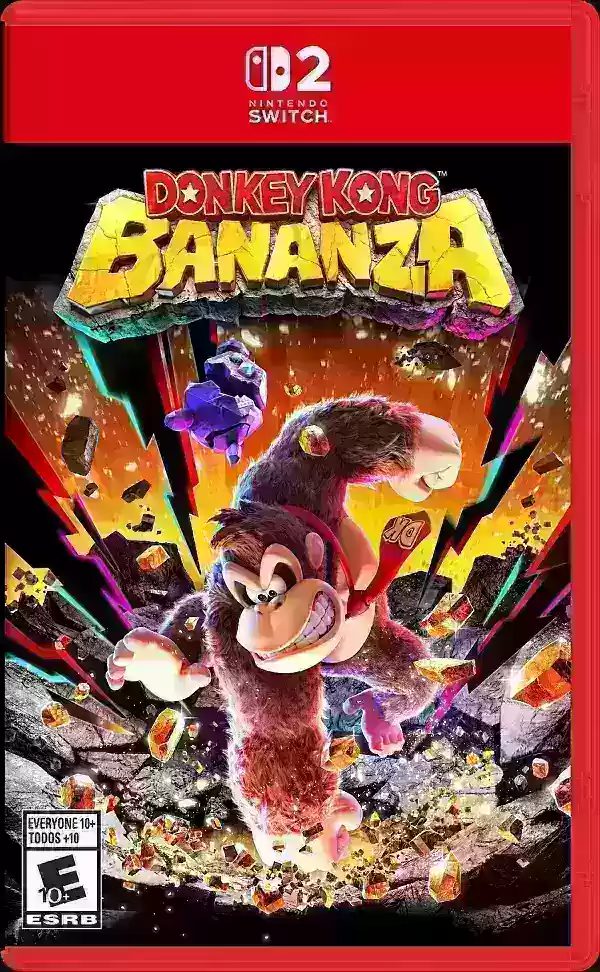
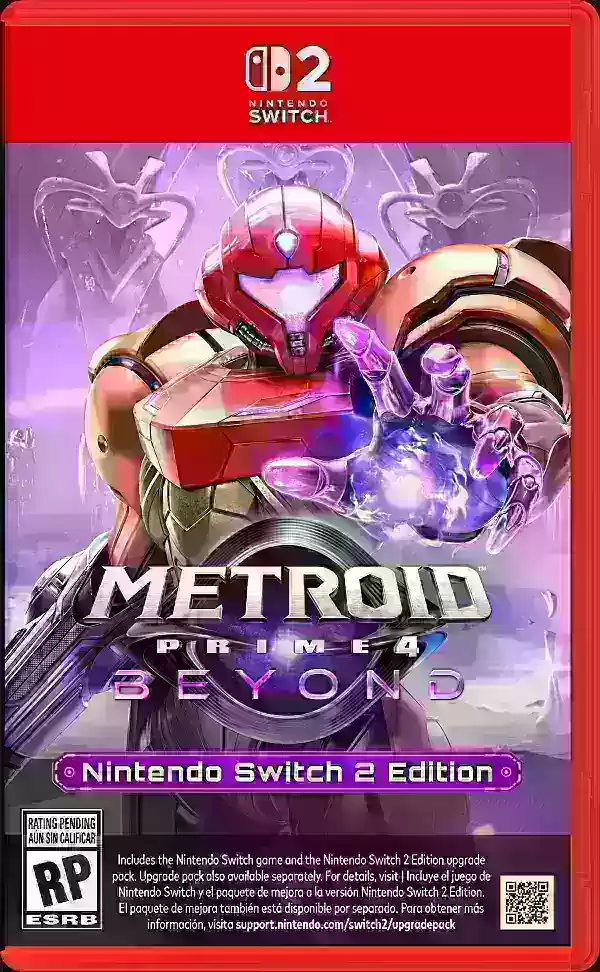
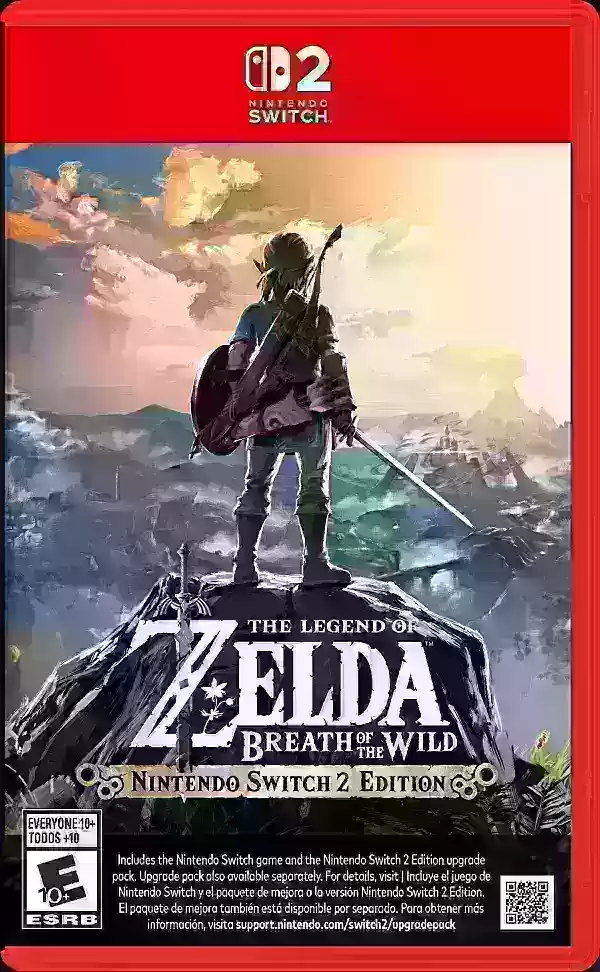
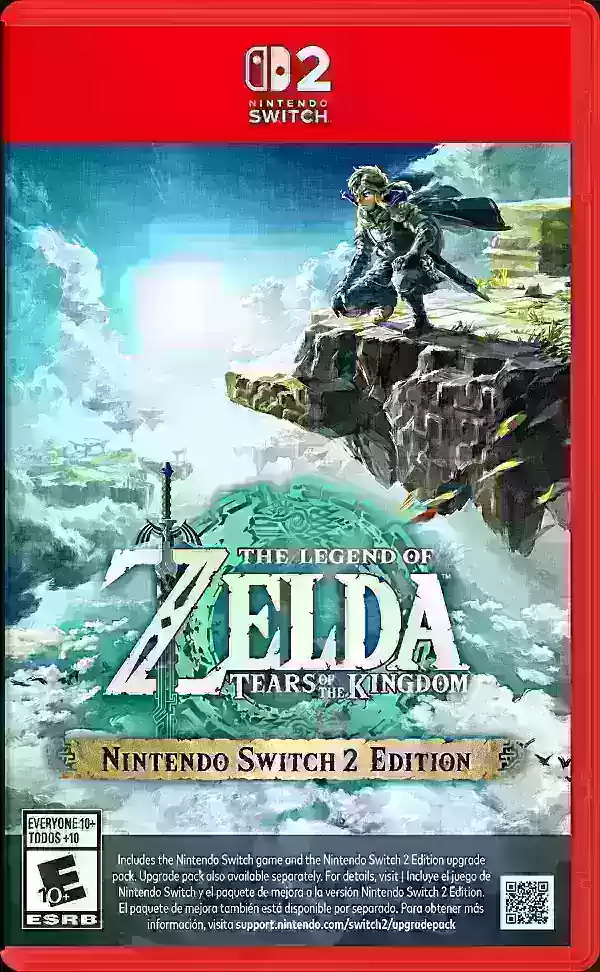
IGN recently interviewed Bill Trinen, Nintendo of America's Vice President of Product and Player Experience, at a Switch 2 preview event in New York, before the pre-order delay due to tariffs was announced.
Trinen defended the $80 price of Mario Kart World, highlighting an upcoming Nintendo Direct that will showcase the game’s features and value.
"Pricing isn’t just strategic; it’s about the experience, content, and value," Trinen said.
"Mario Kart World is expansive, with countless discoveries to be made. The upcoming Nintendo Direct will reveal more, but this could be the richest Mario Kart experience yet."
Regarding the $80 price for some Nintendo Switch 2 Edition games, Trinen noted that existing owners can upgrade for $10, and titles like The Legend of Zelda: Breath of the Wild – Nintendo Switch 2 Edition ($69.99) and The Legend of Zelda: Tears of the Kingdom – Nintendo Switch 2 Edition ($79.99) are included in the Nintendo Switch Online + Expansion Pack membership, offering value to subscribers.
"We evaluate each game’s content and value to determine its price," Trinen explained.
"For Switch 2 Editions, the $80 price applies to new buyers. Owners of the original games can upgrade for $9.99, and Expansion Pack members get both Zelda upgrades at no extra cost."
On the Switch 2’s $450 price, Trinen emphasized its value while acknowledging rising production costs.
"Costs rise over time, and new systems with advanced features incur higher expenses," he told IGN.
"We balance the new features and experiences of the Switch 2 with production costs to set a fair price."
As IGN reported, some Nintendo fans worry that tariff-related price hikes could make the Switch 2 and its games, like Mario Kart World, unaffordable if costs rise beyond the current controversial levels.