Fans Urge Nintendo to Match Bethesda's Remaster Pricing
- By Logan
- Nov 10,2025
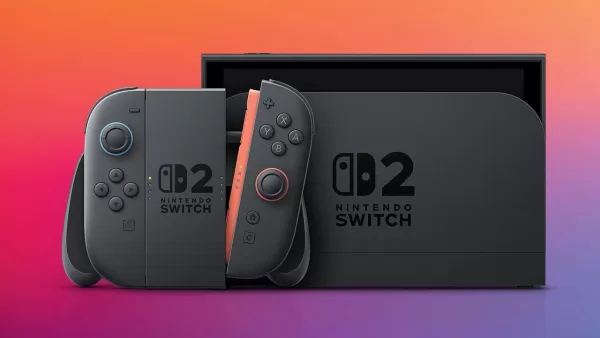

The release of The Elder Scrolls IV: Oblivion Remastered has intensified discussions about Nintendo's pricing strategy for Switch 2 titles, with fans arguing Bethesda offers better value compared to Nintendo's premium pricing.
The Oblivion Advantage
Oblivion Remastered, developed by Virtuos using Unreal Engine 5, delivers significant visual and gameplay upgrades. While maintaining 4K/60fps performance, the remake specialists have overhauled core systems including leveling mechanics, character creation, and combat animations. The package also introduces new dialogue, improved third-person perspective, and advanced lip-sync technology - enhancements so substantial that many fans consider this closer to a full remake than a remaster.
Priced at $50 including all original DLC, Oblivion Remastered presents a stark contrast to Nintendo's Switch 2 pricing structure.
The Zelda Pricing Controversy
The Legend of Zelda: Breath of the Wild - Nintendo Switch 2 Edition retails for $70, while its sequel Tears of the Kingdom commands an $80 price tag. Existing Switch owners can upgrade for $10, and Nintendo Switch Online subscribers receive free upgrades, but these standalone prices have generated significant backlash.
The situation worsens when considering Breath of the Wild's Switch 2 Edition doesn't include the $20 Expansion Pass content - pushing the complete package to $90 for new players. This pricing seems particularly steep for a game originally released in 2017.
Market Comparison Sparks Debate
The discrepancy between Oblivion's comprehensive $50 package and Nintendo's premium pricing has become a focal point in gaming discussions. While Oblivion delivers what many consider remake-level improvements at a moderate price point, Nintendo continues its tradition of maintaining high software prices years after release.
"Oblivion, a full-blown Unreal Engine 5 remake is $50... Zelda Breath of the Wild Switch 2 edition is $70 with a few enhancements... I dont know how anybody can defend Nintendo"
— JayWood2010 (@JayWood2010) April 22, 2025
Industry analysts suggest Nintendo's pricing reflects confident market positioning rather than consumer-friendly practices. As Dr. Serkan Toto of Kantan Games notes: "Nintendo is charging this price because they feel they can and that people will pay."
With Mario Kart World priced at $80 and the Switch 2 console itself costing $450, Nintendo appears committed to premium pricing across its ecosystem - a strategy that becomes increasingly conspicuous when compared to competitors like Bethesda.