Gaming Giants Hit by 2025 Tariffs
- By Lillian
- Oct 18,2025
The Trump administration's trade tariffs are now impacting U.S. consumers, with potential for greater effects in coming months. Following March's tariff announcements, analysts cautioned about rising prices and supply chain disruptions affecting gaming hardware and accessories.
Major Gaming Brands
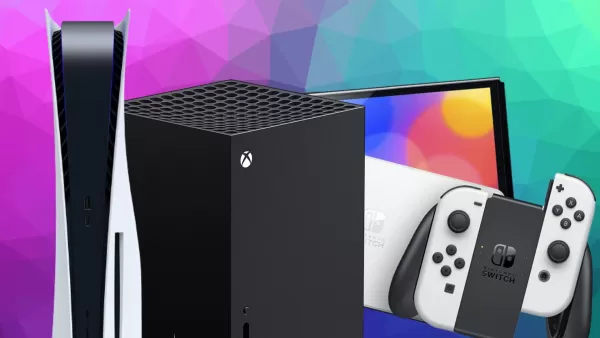
Industry leaders like Sony, Microsoft and Nintendo may be best equipped to handle tariff challenges due to financial resources and supply chain flexibility. However, prolonged tariffs could force price increases across consumer products.
Sony
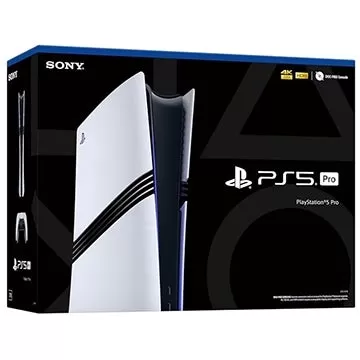
Sony has maintained silence regarding recent U.S. tariffs, though PlayStation prices rose overseas citing economic factors. CFO Lin Tao acknowledged potential $685 million impact, with possible price adjustments coming to U.S. markets. The company maintains strategic inventory buffers while exploring supply chain diversification, including potential U.S. manufacturing.
Microsoft
Microsoft implemented immediate price hikes for Xbox hardware, reflecting increased import costs from Chinese manufacturing. The company benefits from existing Mexican production facilities and gradual shifts to Vietnamese manufacturing since 2023. Upcoming first-party game price increases suggest broader market adjustments ahead.
Nintendo
Nintendo's Switch 2 launch coincided with tariff implementations, prompting temporary preorder delays in North America. While maintaining base console pricing, the company increased accessory costs by $5-$10. Approximately one-third of production now originates from Vietnam, though Nintendo anticipates potential consumer spending constraints.
Razer
The premium accessory maker suspended select U.S. product sales following tariff spikes to 145%. With nearly all manufacturing in China, Razer faces significant pricing pressure that may limit accessibility for budget-conscious gamers.
Dell/Alienware
The computing giant's global manufacturing network across six countries provides partial tariff mitigation. The company aggressively built U.S. inventory ahead of potential tariff implementations while monitoring semiconductor supply issues.
Affected Gaming Accessory Brands
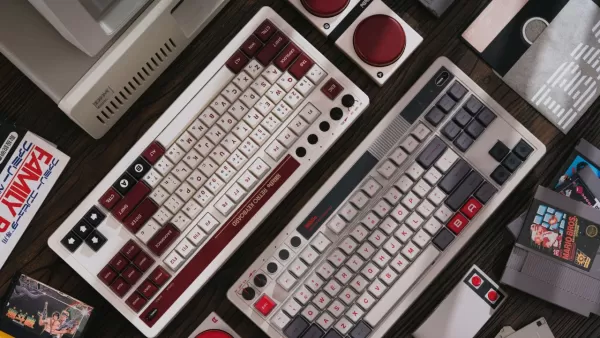
- 8BitDo: Suspended Chinese shipments, relying on U.S. inventory
- ASUS: Primarily manufactures in China/Taiwan with some Vietnam production
- Corsair: Production split between Taiwan, China, Philippines and Vietnam
- Gigabyte: Chinese and Taiwanese manufacturing
- HORI: Exclusively Chinese production
- HP: Mainland Chinese production with supplemental facilities elsewhere
- Logitech: Primarily Chinese manufacturing with some regional diversification
- PowerA: Complete Chinese manufacturing
- Samsung: Global production network across multiple countries
- SanDisk: Memory production in Asia potentially affecting Switch 2 accessory costs
- Secretlab: Chinese gaming chair manufacturing
- Steelseries: Mainland Chinese production except Taiwanese mousepads
- Turtle Beach: Exclusive Chinese manufacturing
- Valve: Chinese production for hardware including Steam Deck