PlayStation cuts deals as Xbox hikes prices amid tariffs
- By Carter
- Oct 13,2025
The looming uncertainty of tariff policies is already affecting the video game market. Several companies have begun withdrawing products from U.S. store shelves or increasing prices to compensate for rising costs. However, industry giants Sony and Microsoft are responding to these challenges in starkly different ways.
Sony's Response to Tariffs
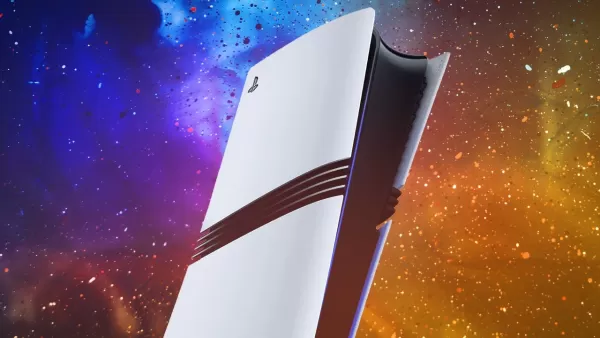
Shortly after the implementation of new tariff policies on April 5, Sony announced price increases for PS5 consoles across European, UK, Australian, and New Zealand markets, citing "challenging economic conditions including high inflation and currency fluctuations." While U.S. prices have remained unchanged so far, Sony CFO Lin Tao indicated in a recent interview that the company may adjust North American pricing based on market conditions.
Sony has strategically stockpiled a three-month supply of PS5 units in the U.S. to mitigate potential short-term tariff impacts. With potential tariff costs estimated at $685 million annually, price adjustments in Sony's largest market (representing 40% of PlayStation sales) appear increasingly likely.
Current PlayStation Discounts During Days of Play
In a surprising countermove, Sony has launched significant temporary discounts on hardware and software through June 11 as part of its Days of Play promotion. Some noteworthy deals include:
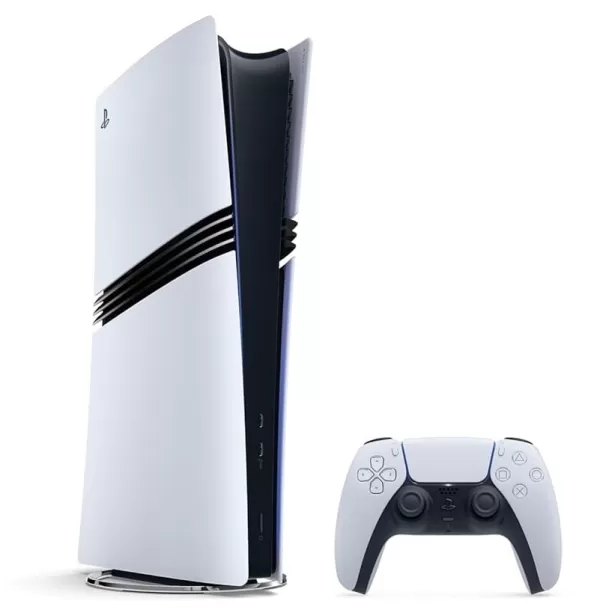
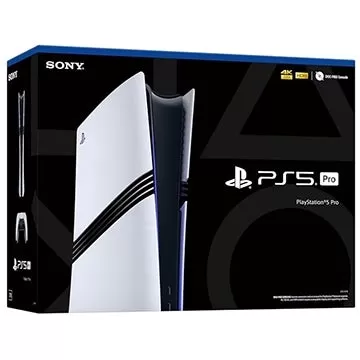
PS5 Pro Console
$699.99 save 7% $649.00 at Amazon
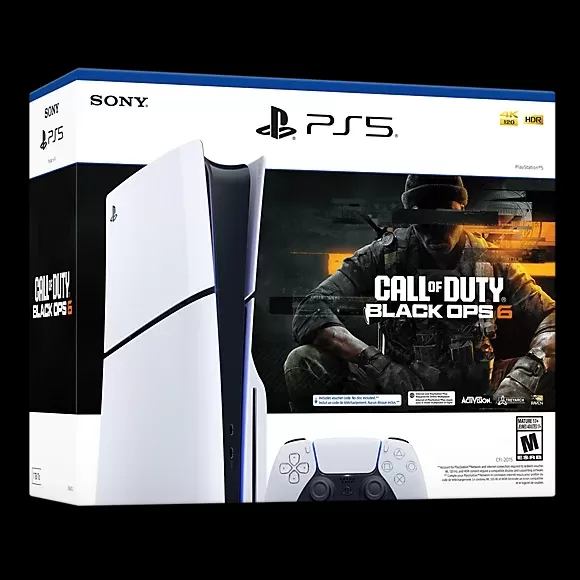
PS5 Console Disc Edition - Call of Duty: Black Ops 6 Bundle
$569.98 save 21% $449.99 at Target
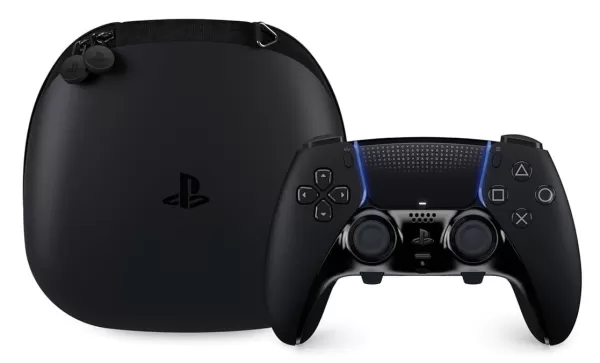
PlayStation DualSense Edge Wireless Controller
$199.99 save 15% $169.00 at Amazon
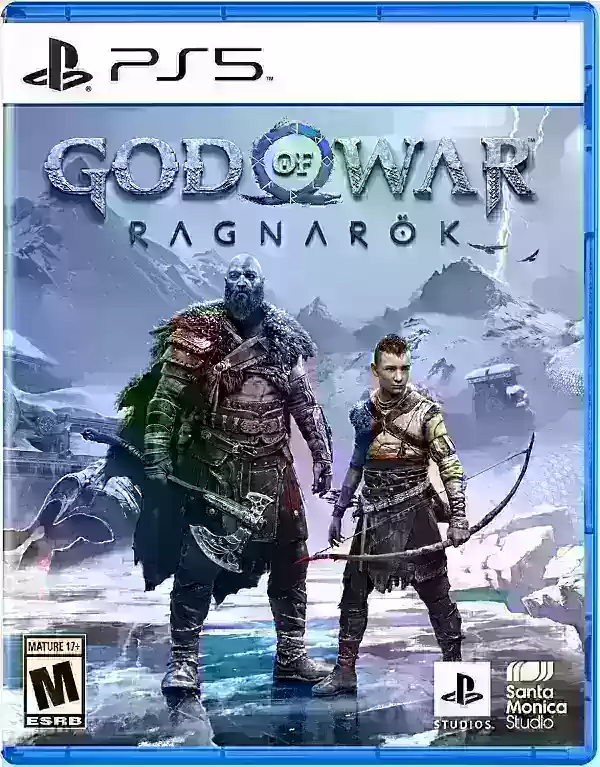
God of War Ragnarök (PS5)
$69.99 save 57% $29.83 at Amazon
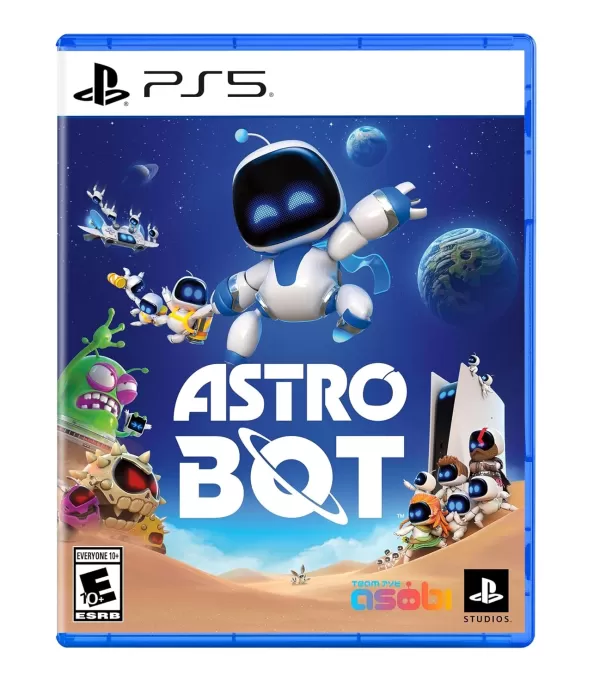
Astro Bot (PS5)
$59.99 save 17% $49.94 at Amazon
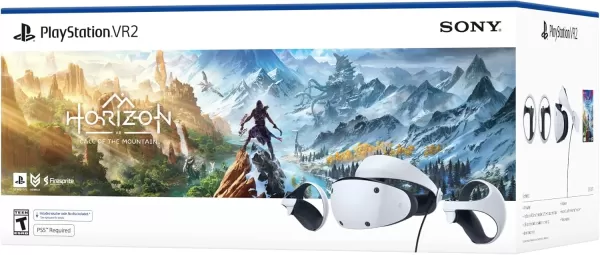
PSVR 2: Horizon Call of The Mountain Bundle
$399.99 save 13% $349.00 at Amazon
This aggressive discounting may represent Sony's final push before implementing price increases, especially with potential tariffs resuming August 12. The Days of Play sale offers consumers one of the last major purchasing opportunities before these changes.
Microsoft's Response to Tariffs
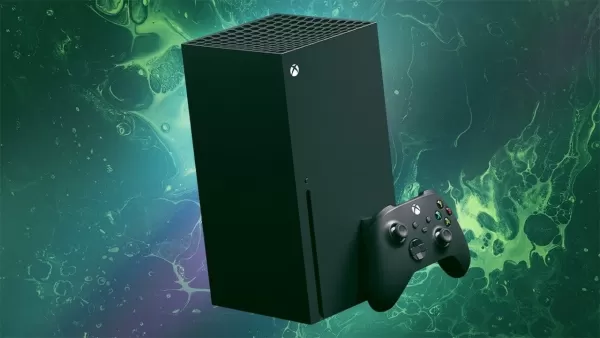
Microsoft has taken a markedly different approach, implementing price increases across its Xbox hardware lineup in early May. Despite being a U.S.-based company, Microsoft's heavy reliance on Chinese manufacturing for Xbox consoles and accessories has necessitated these adjustments to protect already slim hardware margins.
The timing raises questions, as Xbox sales already trail PlayStation significantly this generation. Microsoft has sold half as many Xbox Series X units as PlayStation 5 consoles, and fewer combined Series X|S units than Xbox One achieved during the same timeframe. The price increases create challenging comparisons:
- Xbox Series S (entry-level): Now $380
- PS5 with Call of Duty Black Ops 6 bundle: $450 (only $70 more than Series S)
- Xbox Series X: Increased by $100 to $600
- PS5 Pro: $700 (despite offering superior performance)
- 2TB Xbox Series X: Now more expensive than PS5 Pro
Microsoft has also announced plans to raise first-party game prices to $79.99 during the holiday season, following Nintendo's controversial $80 pricing for Mario Kart World on Switch 2.