Yotei Director on Respectful Ainu Portrayal
- By Caleb
- Feb 09,2026
In a recent update on Sony's PlayStation Blog, Sucker Punch Productions' co-creative director Nate Fox provided deeper insights into the Ghost of Yotei team's research trips across Japan. Expanding on his earlier blog post (linked here), Fox reiterated the studio's dedication to authentic feudal Japanese representation, specifically highlighting their meticulous approach to depicting Ainu culture.
The Ainu, indigenous to northern Japan particularly Hokkaido (Ghost of Yotei's primary setting), possess distinct linguistic, cultural and spiritual traditions differing markedly from Japan's dominant Yamato ethnic group.
The game unfolds during a historical turning point - 1603 marks Tokugawa Ieyasu's establishment of the shogunate, ending civil conflicts and initiating Edo-period prosperity centered in Tokyo. Meanwhile, Hokkaido remained an untamed frontier where the Ainu adapted to harsh winters and rugged terrain.
"Authentic Ainu representation became paramount when setting our game in Hokkaido," Fox explained. "We partnered with an Ainu cultural advisor before our research expedition." This collaboration extended to foraging expeditions with local families. "These experiences inspired us to incorporate foraging mechanics, letting players share our cultural immersion."
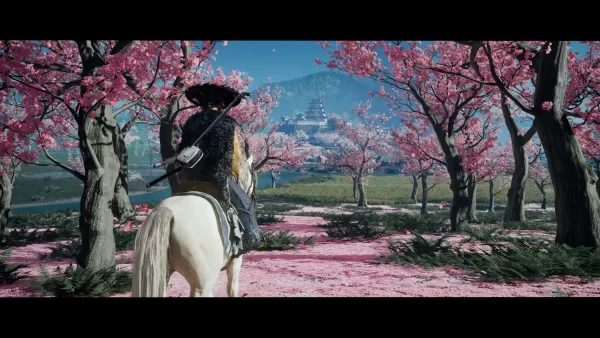
The team investigated Oshima Peninsula's historical significance as Matsumae clan territory - the Tokugawa-approved trade gateway between mainland Japan and northern Ainu settlements. Fox noted: "Cherry blossoms imported from Honshu still dominate Oshima's landscape today, visually confirming how few Yamato people settled beyond this point in 1603."
"We've recreated this frontier atmosphere through expansive wilderness separating settlements," Fox added. This environment frames protagonist Atsu's vengeance quest.
The Nibutani Ainu Museum visit helped visualize in-game items and traditional cise dwellings, structurally distinct from Japanese homes. Traditional hearth-centered interiors appear in Ghost of Yotei's trailer (2:00 mark), featuring a lip-tattooed Ainu woman - cultural markers later suppressed during Hokkaido's 19th-century assimilation policies.
(Historical context: J.K Goodrich's 1888 documentation captures complex Ainu-Japanese relations during this transitional period.)
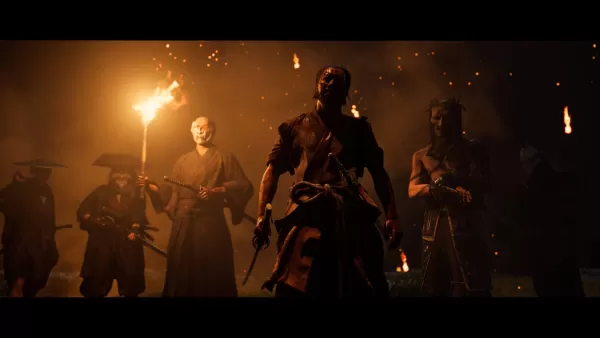
Ghost of Yōtei Screenshots

View 8 Images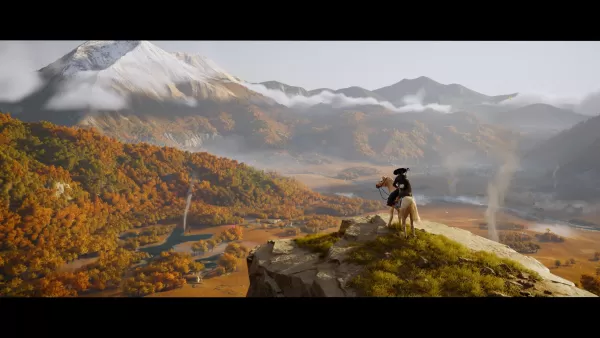
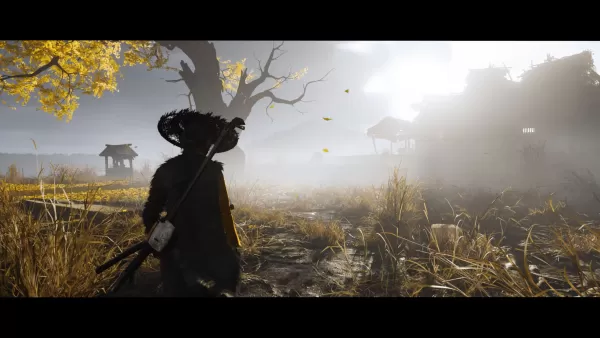
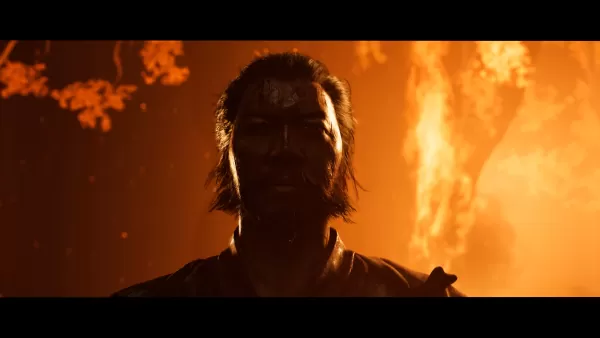
The team's Edo-period research included Nikko Toshogu shrine visits, where they received blessings from Tokugawa Ieyasu's enshrined spirit. "We display acquired ema plaques and omamori charms at our studio as meaningful mementos," Fox noted.
"While our Hokkaido interpretation takes creative liberties, its authenticity stems from these real-world experiences," Fox concluded. Ghost of Yotei promises compelling contrasts between Edo-period Japanese and Ainu cultural representations.